
By Viraj V. Tirmal, MD | MDVIP-Affiliated Concierge Medicine
**3905 National Drive, Suite 220, Burtonsville, MD 20866 | Tel: **240-389-1986
Few hormones shape a man’s health and vitality as profoundly as testosterone. While its role in sexual function is well known, testosterone’s impact runs far deeper—touching everything from muscle and bone to mood, metabolism, energy, and even cognitive performance. As we recognize Men’s Health Month, understanding testosterone’s role offers vital insights for men of all ages and backgrounds—helping you protect health, enhance strength, and optimize quality of life.
Below, I’ll offer a comprehensive, science-backed guide on what you need to know about testosterone. We’ll examine its biological functions, signs of imbalance, modern diagnostics, the truth about therapy, potential risks, and why individualized, expert care matters most.
A Hormone with Far-Reaching Effects: What Does Testosterone Do?
Testosterone is produced primarily by the testes’ Leydig cells. It’s the master driver of “maleness”—orchestrating fetal development of the male reproductive organs, triggering the dramatic changes of puberty (deeper voice, muscle and bone growth, body/facial hair), and supporting libido, sperm production, and strength well into adulthood. Yet its reach goes beyond sexual health:
Metabolic Health: Regulates fat metabolism, supports muscle and bone density, and boosts red blood cell production (reducing anemia risk).
Mental and Emotional Health: Modulates energy, motivation, and mood, impacting everything from drive and confidence to risk of depression and irritability.
Cognitive Function: Adequate levels are linked with sharper memory, spatial abilities, attention, and even reduced risk of Alzheimer’s disease.
For more on full-body benefits, see: The Role of Testosterone in Men's Health
What’s a Healthy Level—And Why Does It Change?
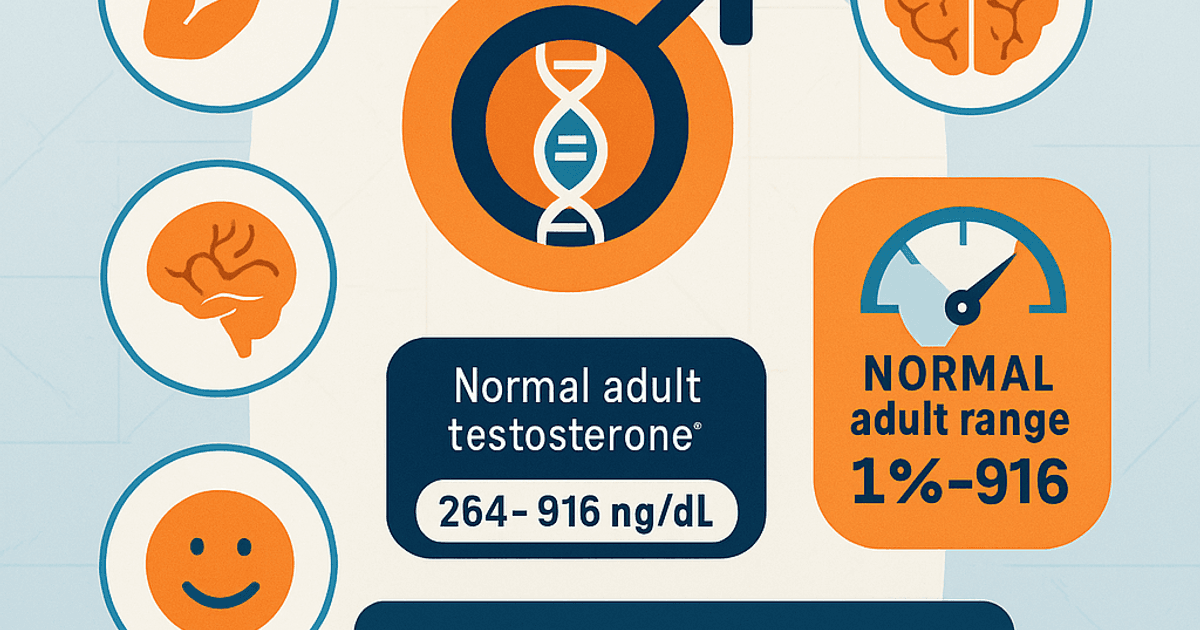
Normal adult male testosterone is 264–916 ng/dL, peaking in late adolescence/early adulthood, then falling about 1% yearly after age 30–40 [NCBI Bookshelf]. Decline is slow but steady, and influenced by:
Genetics
Obesity, diabetes, sleep deprivation
Chronic illnesses, some medications (opioids, steroids, chemotherapy)
Poor diet, stress, excess alcohol or drug use
Low testosterone (*hypogonadism*) is often defined as <300 ng/dL with symptoms.
There are two key forms:
Primary: testicular failure (Klinefelter’s, mumps, trauma, radiation, surgery)
Secondary: brain-based—pituitary or hypothalamic dysfunction, tumors, genetic syndromes Temporary drops also occur with major illness, surgery, or malnutrition, but usually rebound with recovery [PMC Article].
Elevated levels are rare outside of testosterone misuse, testosterone-secreting tumors, or disorders of the adrenal or testicular tissues.
Symptoms of Low (or High) Testosterone: What Should You Watch For?
Reduced sex drive or weaker erections
Decreased muscle strength or endurance, increased body fat
Low energy, persistent fatigue, poor motivation
Mood swings, depression, irritability, or brain fog
Difficulty concentrating, memory issues
Low sperm count, infertility
Osteoporosis or frequent fractures
Sometimes, hot flashes or sweats (in severe deficiency)
Excess testosterone may produce acne, oily skin, increased aggression, or fluid retention. In men using illicit anabolic agents, risks include infertility, liver dysfunction, and heart issues [News-Medical.net].
Many men ignore these signs, writing them off as ‘just aging’. Don’t. If these are impacting you, get evaluated.
Diagnosing Testosterone Deficiency: What’s Involved?
Assessment of Symptoms: A detailed medical and sexual history is crucial.
Blood Testing: Morning total testosterone (7–10 am). A second confirmatory test (preferably fasting) is often needed due to natural daily fluctuations [Cleveland Clinic].
Borderline Cases: Free or bioavailable testosterone, especially if protein binding (SHBG) is suspected altered (see obesity, thyroid, and liver disease).
Further Testing: LH, FSH, and prolactin to identify primary vs. secondary causes.
Diagnosis is always based on BOTH labs and symptoms. Isolated abnormal labs are not justification for treatment.
Testosterone Therapy: Cutting Through the Hype
Testosterone therapy (TT) is FDA-approved for men with clinical hypogonadism derived from testicular, pituitary, or hypothalamic disease—not for normal age-related decline or “low T” marketing hype.
Types of Therapy:
Injections (weekly or biweekly)
Gels or patches (daily)
Pellets (implanted under the skin)
Oral/buccal options (less common, have specific usage parameters)
It’s critical to understand: TT can suppress natural testosterone and sperm production (infertility concern), may alter cholesterol, and poses unique risk in older men or those with undiagnosed prostate conditions. Lifestyle interventions almost always come first—weight loss, exercise, nutrition, managing sleep apnea, and treating underlying illness may restore testosterone without drugs. See the clinical overview at AAFP.org.
Testosterone Therapy—Weighing the Potential Benefits and the Real Risks
Potential Benefits:
Improved libido, mood, motivation, erectile function
Increased muscle mass, bone mineral density
Positive impact on fat distribution, energy, and often cognitive clarity
Risks & Side Effects:
Acne, oily skin, hair loss, fluid retention
Elevated hematocrit (potential for dangerous blood viscosity)
Gynecomastia (breast tissue growth)
Possible worsening of sleep apnea
Infertility, due to testicular suppression
Potential risk of heart attack or strokes in some men (data mixed—see Harvard Health)
Worsening undiagnosed prostate cancer or stimulation of prostate growth (always monitored with PSA, DRE, and urinary symptom review)
Liver dysfunction, mostly with oral forms
Therapy is NOT Appropriate If:
You have or are at high risk for prostate or male breast cancer
Hematocrit is elevated (>54%) prior to starting
Uncontrolled severe sleep apnea
Desire to preserve fertility is present (TT suppresses sperm)
Therapy requires close, regular monitoring of blood panels, PSA, hematocrit, and symptom review—individualized to you.
New Trends & Lessons from Modern Research: Where Science Is Headed
Precision Medicine: Genetics now inform how men metabolize and respond to testosterone and its therapies—so personalized treatment plans are possible.
Boom in Telemedicine & Direct-to-Consumer TRT: Beware—misuse or unsupervised therapy can lead to dangerous side effects (“testosterone mills” have little oversight).
Innovative Formulations: New delivery systems and long-acting injectables on the horizon may improve compliance and minimize side effects [Market Overview].
Big Data & Biomarker Research: Ongoing large-scale studies are defining new threshold levels, risk profiles, and long-term outcomes (prostate/heart/cognitive health). No dose fits all—truly shared, informed decision-making is essential.
Focus on Mental Health: With new research tying low testosterone to depression and cognitive changes, holistic men’s health assessments (physical + mental) are now the norm.
Unanswered Questions: What is the long-term risk for cardiovascular and prostate events? Which men benefit most versus those with potential harm? Ongoing, individualized research and careful, expert oversight are vital. See current guidelines: AUA Guideline.
Why Choose Personalized, Trusted Care—Not “Low T” Clinics?
Testosterone replacement isn’t a simple prescription; it’s a lifelong partnership in your health. As an MDVIP-affiliated solo physician, my focus is:
Careful, evidence-based diagnosis—avoiding treatment in men who don’t truly need it
Monitoring for side effects, cancer risk, and overall health
Addressing lifestyle, sleep, nutrition, and stress before and alongside any medication
Updating care plans as your life, age, and research evolve
Testosterone optimization means considering the whole man—not just lab values or a single symptom.
Ready to optimize your health, energy, and longevity with a science-based, personalized approach?
**Call **240-389-1986 to schedule a comprehensive men’s health evaluation at our Burtonsville, MD office. Your strength, vitality, and peace of mind are worth the investment.
Related Reading—You Might Also Like:
Men's Health Over 40: Your Roadmap to Prevention, Screening, and Lifelong Wellness
Prostate Health: What Every Man Needs to Know
Managing Stress for Better Mental and Physical Health
The Importance of a Balanced Diet: Macros and Micros
Viraj V. Tirmal, MD – Concierge Primary Care | MDVIP Affiliate
3905 National Drive, Suite 220, Burtonsville, MD 20866
Tel: 240-389-1986 | Fax: 833-449-5686
Serving Burtonsville, Silver Spring, Laurel, and neighboring Maryland communities.
References & Further Exploration
Physiology, Testosterone – NCBI Bookshelf
Testosterone Physiological Effects – News-Medical
Normal Testosterone Levels by Age – Medichecks
Harmonized Reference Ranges for Testosterone
The Role of Testosterone in Men's Health
AUA Testosterone Deficiency Guideline
Cleveland Clinic – Low Testosterone
AAFP: Testosterone Therapy Clinical Applications
Controversies with Testosterone Therapy
Harvard Health: Is Testosterone Therapy Safe?