
By Viraj V. Tirmal, MD
3905 National Drive, Suite 220, Burtonsville, MD 20866
Phone: 240-389-1986
Navigating today’s healthcare system often begins with a trusted primary care physician. But what happens when symptoms persist, tests produce unclear results, or your condition calls for deeper expertise? Knowing when—and why—to see a specialist can mean the difference between early detection, effective treatment, and potentially avoidable complications. Understanding the referral process is a key part of becoming an empowered, proactive patient.
As a solo MDVIP-affiliated primary care physician, my mission is to guide you and your family through every step of your health journey: from initial assessment to specialty referral, advocacy, and smooth transitions back to coordinated, holistic care. If you’ve ever wondered if it's time to “see a specialist,” or how the process works, read on. This evidence-based guide answers your most pressing questions, helps you recognize red flag symptoms, and shares actionable strategies for getting the right care—at the right time.
Primary Care vs. Specialty Care: Partners in Your Health
Primary care is your entry point for most medical needs, focusing on prevention, chronic disease, and diagnosis and treatment of common conditions. As your primary care physician (PCP), I serve as your ongoing advocate and care coordinator, maintaining a broad understanding of your health history and ensuring you feel heard and supported.
Specialty care involves clinicians with advanced training in focused fields such as cardiology, dermatology, neurology, or oncology. When an issue exceeds the scope of primary care—due to complexity, the need for advanced procedures, or expert second opinion—a specialist is brought in as part of your extended healthcare team. Seamless collaboration and communication between providers means you’re never left feeling lost in the system.
Learn more: Primary Care vs. Specialty Care
When Is a Specialist Referral Needed?
When your symptoms persist or worsen despite standard treatment
When your PCP needs advanced diagnostics, procedures, or management (e.g., endoscopy, surgical consultation, tissue biopsy)
When your diagnosis is uncertain or involves rare/complex disease
When your health insurance requires specialist input prior to authorizing certain treatments (especially HMO or Medicare plans)
For second opinions or expert management of serious, life-altering, or newly diagnosed conditions
If you request a specialist due to concern or to explore all possible options
See: Referral Criteria in Clinical Practice
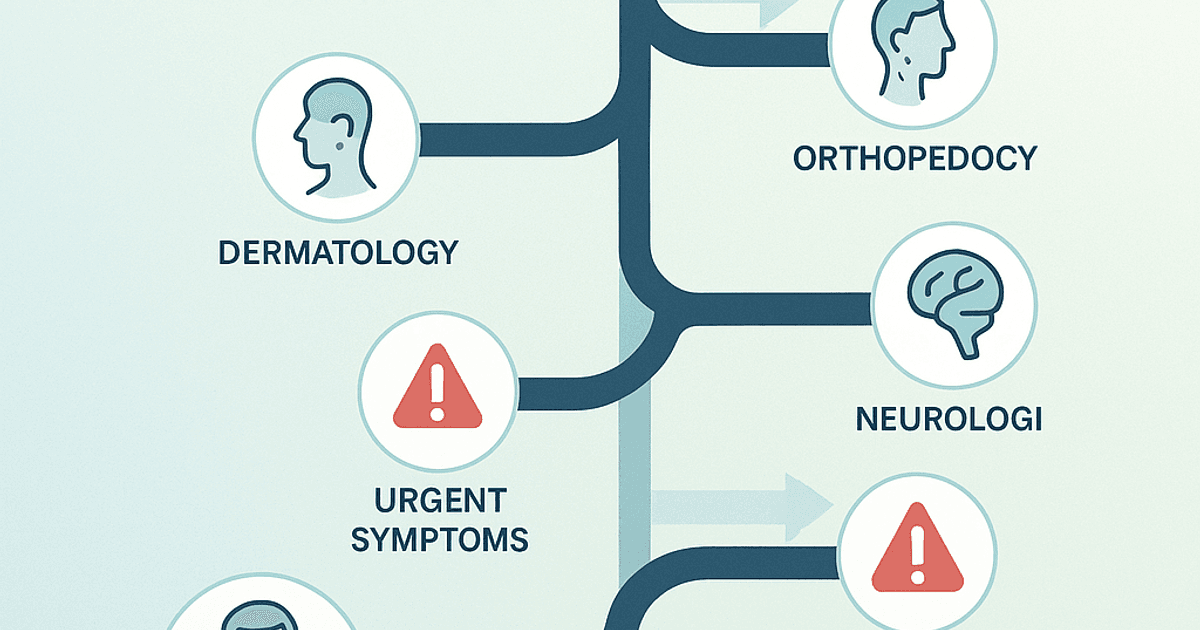
Common Conditions Requiring Specialist Referral
Cardiology: Heart disease, arrhythmias, resistant hypertension
Dermatology: Suspicious moles/skin lesions, severe rashes, or persistent skin conditions
Orthopedics: Fractures, joint pain, sports injuries, chronic back pain
Gastroenterology: GI bleeding, persistent digestive symptoms, liver disease
Neurology: Seizures, chronic headaches/migraines, unexplained neurological deficits
Oncology: Suspicious masses, abnormal imaging/biopsy results, cancer diagnosis
Mental Health: Depression, anxiety, PTSD, resistant psychiatric symptoms
Obstetrics/Gynecology, Endocrinology, Rheumatology, and more
Specialist care is most effective when built upon a thorough initial evaluation by your PCP.
Read: Four Conditions That Require Specialist Referral
Red Flags: When Specialist (or Emergency) Referral Can't Wait
Severe, crushing chest pain or sudden shortness of breath
Sudden loss of vision, hearing, or strength (think: stroke warning signs like facial droop, slurred speech, arm weakness)
Severe abdominal pain with fever, vomiting, or GI bleeding
Rapidly worsening neurological deficits, seizures, or confusion
Uncontrolled bleeding, trauma, high fevers unresponsive to medications
Signs of sepsis: rapid heart rate, low blood pressure, altered mental status in the setting of infection
If you or a loved one experiences these, seek immediate medical care or call 911. Delaying care could be life-threatening.
See: Red Flags for Urgent Referral
The Referral Process: What Patients Should Expect
Your PCP evaluates you and determines the need for referral
We send relevant records, imaging, and laboratory results, plus reason for referral, to the specialist
The specialist office contacts you to schedule an appointment (either directly or through our office)
After your consultation, the specialist’s recommendations are sent back to your PCP for further care coordination
You’ll often continue follow-up with your PCP for chronic management, medication oversight, and preventive care
See: Medical Referral Workflows
Barriers to Specialist Access—And How to Overcome Them
Insurance/cost barriers: Out-of-network rules, high copays, complicated approval processes
Geography: Long travel distances; rural shortage of certain specialists
Wait times: Some specialties (neurology, psychiatry, dermatology) have lengthy backlogs
Transportation/work schedule challenges
Cultural/language barriers and health literacy
Tips for Success:
Ask your PCP for advocacy with insurance or referrals to local resources/telemedicine options
Know your insurance requirements for referrals and stay proactive (call if paperwork stalls)
Use patient advocates/case managers (offered by many practices and insurers)
Don’t hesitate to request an explanation for referral denials—and how to appeal Learn more: Addressing Barriers to Specialist Care
Patient Advocacy: Take Charge of Your Referral Journey
Clearly communicate persistent or worsening symptoms to your PCP
Don’t be afraid to request a referral if standard treatment isn’t working
Track your appointments and follow up on delays or paperwork
Keep a list of questions for the specialist; request a summary of findings
Partner with your healthcare team—advocating for yourself produces better, faster results
Read: How to Get Appointments and Authorizations
Continuity of Care: What Happens After a Specialist Visit?
After seeing the specialist, you’ll return to your PCP for central care coordination. Communication between primary and specialty providers reduces test duplication, conflicting advice, and prescription errors—and ensures your overall health stays on track.
Proactive follow-up (and annual physicals!) help us track your progress, adjust medications, and keep your preventive health plan up to date.
Why Continuity of Care Matters
Why Timely Referral Matters: The Cost of Delays
Untreated conditions can progress, resulting in greater disability, more invasive or emergent care, and higher costs
Missed or delayed cancer diagnoses can worsen prognosis and limit treatment success
Delayed specialist input in chronic diseases (heart failure, diabetes, autoimmune conditions) increases complications and hospitalizations
Prolonged symptoms often escalate anxiety, stress, and pain
"Timely referrals save lives, improve outcomes, and lower long-term healthcare costs."
Strategies for Improving Referral Timeliness
Telemedicine: Next-Gen Access to Specialty Care
Telemedicine is transforming how, when, and where you access a specialist—especially for second opinions, follow-ups, and rural or mobility-constrained patients.
Virtual consults with top specialists, including in major academic centers
Electronic records-sharing and enhanced communication between teams
Faster second opinions, even across state lines
Convenient post-surgical follow-up and monitoring of chronic diseases
As part of a modern, patient-centered primary care office, we’ll help you leverage telemedicine to break down barriers and get the care you deserve.
Telemedicine Referrals Explained
Need a specialist referral? Worried about a persistent or serious symptom?
Take the first step by partnering with a trusted PCP. Call 240-389-1986 or visit Dr. Viraj V. Tirmal at 3905 National Drive, Suite 220, Burtonsville, MD for comprehensive, coordinated care. Your health deserves expertise, advocacy, and timely answers—every step of the way.
Related Reading—You Might Also Like:
Spring into Wellness: The Importance of Regular Health Screenings
Unlocking the Full Potential of Your Health Insurance: Expert Strategies for Patients
Embracing Telemedicine and Virtual Care: Enhancing Your Concierge Primary Care
Managing Stress for Better Mental and Physical Health
Setting SMART Health Goals for the Year
Viraj V. Tirmal, MD | Concierge Primary Care | MDVIP Affiliate
Tel: 240-389-1986 | Fax: 833-449-5686
Serving Burtonsville, Silver Spring, Laurel, and surrounding Maryland communities.
References & Resources
Primary Care vs. Specialty Care – Indus Medical Associates
Centers for Medicare & Medicaid Services: Specialty Care
Medical News Today: Types of Medical Doctors
PMC: Specialty Referrals in the United States
Healthie: What Are Referrals in Healthcare?
4 Conditions That Require a Referral to a Specialist
Red Flags Requiring Urgent Referral
How to Identify Red-Flag Symptoms and Refer Patients
Wellwisp: How Do Medical Referrals Work?
Wolters Kluwer: Five Key Barriers to Healthcare Access
Kyruus Health: Addressing Barriers to Healthcare
How to Help Patients Get Specialist Referrals
Together Patient Advocates: Authorizations & Referrals
Continuity of Care and Referral Rate
One Medical: Continuity of Care
Simbo: Causes of Delayed Referral
ResearchGate: Consequences of Late Referral