The holiday season is a time of joy, connection, and reflection—but it’s also when stress and overindulgence can quietly undermine our well-being. If you find yourself juggling endless social commitments, stretching your budget, or battling the temptation of festive treats, you are not alone. Nearly half of American adults report that the holidays increase their stress, while a significant number say they fall into patterns of overeating, excessive drinking, or negative coping behaviors. At my practice, I meet many patients who are ready for a positive change—one built on awareness, boundaries, and meaningful self-care.
This guide will empower you to navigate the psychological, physical, and emotional landscape of the holidays. By implementing practical strategies and compassionate routines, you can safeguard your health, support your loved ones, and truly savor the season.
Understanding Holiday Stress and Overindulgence
Holiday Stress Defined: Holiday stress encompasses unique pressures—financial, social, and emotional—that peak during celebratory seasons. Common culprits include striving for “perfect” gatherings, navigating complex family dynamics, and meeting increased social obligations [1].
Overindulgence During the Holidays: Overindulgence is the tendency to exceed healthy boundaries, especially with food, alcohol, and spending. Festive environments and social cues make it easy to put aside daily routines and overconsume [2].
Quick Facts:
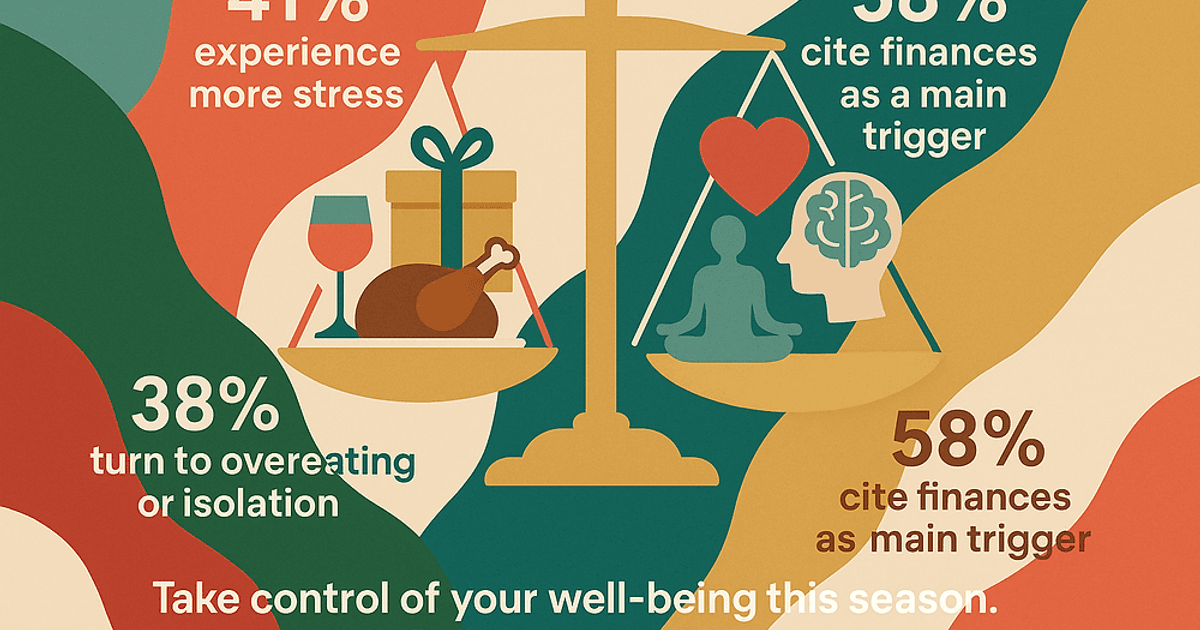
41% of U.S. adults experience increased stress during the holidays.
38% resort to isolation, overeating, or substance use.
Most adults identify major triggers as finances (58%) and pressure to meet expectations [3].
Typical caloric intake on holiday event days can be three times higher than recommended [2].
The Impacts: Emotional and Physical
Emotional Consequences
The holidays can exacerbate anxiety, depression, and loneliness, especially for those with existing mental health conditions [4]. Emotional symptoms often include:
Irritability
Mood swings
Overwhelm or fatigue
Physical Effects
Chronic stress and overindulgence aren’t just “in your head.” They can manifest as:
Trouble sleeping
Higher blood pressure and blood sugar
Weight gain due to excess calories and less exercise
Flare-ups of chronic health conditions (like diabetes and hypertension) [5]
For more on how to manage stress for your mental and physical health, review our guide on Managing Stress for Better Mental and Physical Health.
Mind-Body Connection
When you’re stressed, your body ramps up production of stress hormones, leading to inflammation, lowered immune function, and worsened chronic conditions [6]. Safeguarding both mind and body is the cornerstone of year-end health.
Proactive Strategies for Managing Holiday Stress
Identify Personal Triggers
Self-awareness is your strongest defense. Ask yourself:
What situations make me anxious during the holidays?
Are there recurring conflicts or obligations that drain me?
How does my body react to prolonged stress?
Consider journaling or discussing these with your primary care physician to create a customized plan. If you’re struggling with chronic stressors, see our article on Simple Mindfulness Practices for Stress Reduction.
Lower Expectations and Practice Acceptance
Let go of chasing “the perfect holiday.” Focus on authentic connections and what’s most meaningful for you. If plans shift, practice flexibility and self-compassion. Accept that some stress and imperfection is normal—and often, that's where genuine memories are made.
Self-Care and Mindfulness Practices
Prioritize Sleep: Quality rest is your foundation. Review our post on The Connection Between Sleep and Mental Health.
Practice Gratitude: Start or end your day by listing three things you’re thankful for.
Move Your Body: Even a short daily walk can boost mood and energy.
Schedule Downtime: Block time for yourself on the calendar—protect it as you would any other commitment.
Setting Boundaries
Healthy boundaries are vital. This might mean declining certain invitations, limiting time at stressful gatherings, or communicating honestly with family. Use “I” statements (e.g., “I need some quiet time this evening.”) and remember that saying no is an act of self-care [9].
Smart Approaches to Holiday Overindulgence
Mindful Eating and Moderation
Eat Slowly and Savor: Focus on the flavors, textures, and colors of your food [10].
Listen to Hunger Cues: Pause before reaching for seconds—are you truly hungry?
Choose Nutrient-Dense Foods: Fill your plate with vegetables, lean protein, and whole grains before reaching for sweets.
Enjoy Treats Guilt-Free (In Moderation): One or two special treats can be part of a balanced holiday.
For ongoing healthy eating ideas, visit The Importance of a Balanced Diet: Macros and Micros and Healthy Snacking: Options That Fuel Your Day.
Managing Alcohol and Substance Use
Decide on a reasonable limit before each event.
Alternate alcoholic beverages with water.
Eat before drinking—this slows alcohol absorption and helps you feel full [11].
Preventing Sensory Overload and Burnout
Block out quiet time before or after large events.
Limit screen time and stick to consistent sleep schedules.
Know your limits—declining invitations is okay [12].
Supporting Children and Family Members
Helping Kids Thrive Through the Festivities
Children often pick up on family stress or experience their own emotions as routines change. Help them:
Name and normalize feelings (“It’s okay to feel sad or excited.”)
Maintain familiar routines where possible
Encourage emotional expression through drawing or conversation [13]
Navigating Family Dynamics
Discuss plans clearly, set expectations, and anticipate “stress hotspots.” Model healthy coping for young family members [14]. For more lasting relationship strategies, consider reading Building a Partnership with Your Primary Care Physician.
After the Holidays: Recovery and Reset
Resetting Physical Health
Hydrate Well: Water or herbal tea (such as ginger or mint) can soothe digestion.
Resume Balanced Meals: Abandon “all-or-nothing” thinking—return to regular, nutritious meals instead of restrictive diets.
Gentle Movement: Walking, stretching, or yoga helps digestion and mood [15].
Compassionate Emotional Recovery
Feeling guilt or shame after overindulgence is common—but it’s not productive. Instead:
Practice self-forgiveness and refocus on positive routines [16].
Begin anew, making small, sustainable changes.
If you’re looking to set better habits for the year ahead, our post on Setting SMART Health Goals for the Year can help you design attainable, meaningful goals.
Embracing Diversity and Cultural Sensitivity
Every family and individual’s holiday experience is different. Those who celebrate non-Christian holidays may feel additional stress due to cultural invisibility or pressure to conform [17]. The healthiest celebrations are those that adapt rituals to your current needs and honor what is truly meaningful [18].
A Season of Well-Being: Practical Steps Forward
Plan, Don’t Cram: Space out obligations and prioritize the events and traditions that matter most.
Communicate Openly: Set boundaries early with friends and family.
Practice Self-Care Daily: Even five minutes of meditation or gratitude journaling can shift your mindset.
Support Others: Check in on loved ones—especially those who may struggle with loneliness or loss.
When to Seek Help
If you find that holiday stress or overindulgence is interfering with your health, relationships, or ability to function, reach out for support. As a concierge physician, I provide personalized guidance for managing stress, nutrition, chronic conditions, and emotional well-being—all year round. Visit our practice at:
3905 National Drive, Suite 220, Burtonsville, MD 20866
Call: 240-389-1986 | Fax: 833-449-5686
Email: staff@tirmal-md.com
Join our practice | Book an appointment
You Might Also Like
Managing Stress for Better Mental and Physical Health
Healthy Snacking: Options That Fuel Your Day
Simple Mindfulness Practices for Stress Reduction
Coping with Chronic Illness During the Holidays
Building a Partnership with Your Primary Care Physician
Setting SMART Health Goals for the Year
References
Even a joyous holiday season can cause stress for most Americans (APA)
Winter Holidays and Their Impact on Eating Behavior—A Systematic Review (NCBI)
Recognizing and Managing Holiday Stress - Mountain Pacific
The Impact of Holiday Stress on Mental Health
The Holiday Blues: A Public Health Perspective
Managing Holiday Stress: How It Impacts Your Health
Holiday Stress Management Guide - Catawba Valley Healthcare
Mental Health and the Holidays: 9 Tips for Self-Care (NCOA)
Power of saying no with grace - Set your boundaries
7 Ways to Avoid Overindulging this Holiday Season - Longstreet Clinic
Strategies for surviving the holiday season - UCLA Health
14 Tips for Managing Sensory Overload During the Holidays
Tips for Healthy Holidays with Kids | Children's Hospital Colorado
7 ways to manage family stress during the holidays | Mental Health
How to Bounce Back From Holiday Overeating - Virtua
5 Tips to Recover From Overindulgence - Family Medicine Center
Even a joyous holiday season can cause stress for most Americans
Celebrating Diversity: Mental Health and Cultural Holiday Traditions