
As the leaves turn and sunlight fades, it’s not just the landscape that transforms—our minds and moods feel the shift as well. Navigating fall and winter wellness means looking beyond physical health; it means proactively supporting our mental wellbeing as shorter days and longer nights set in.
At my MDVIP-affiliated practice in Burtonsville, I work closely with patients to foster resilience, create personalized wellness strategies, and empower each person to take charge of their mental health—especially as daylight wanes. Here’s your comprehensive, physician-backed guide to understanding, managing, and improving your mental health as seasons change.
Why Do Seasonal Changes Affect Our Mental Health?
The “Winter Blues” vs. Seasonal Affective Disorder (SAD)
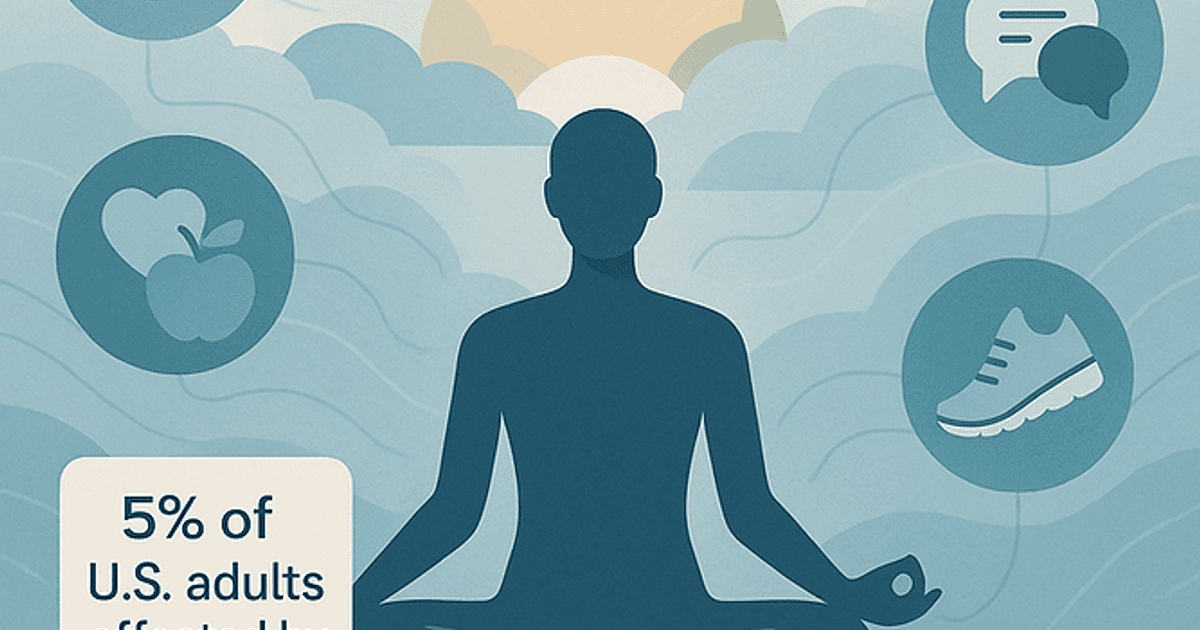
As fall gives way to winter, many people notice feeling a bit down or sluggish—often called the “winter blues.” However, for some, this seasonal dip runs deeper and longer, causing profound fatigue, sadness, and withdrawal, known as Seasonal Affective Disorder (SAD). Roughly 5% of U.S. adults are affected by SAD each year, with symptoms most pronounced for women and those at higher latitudes How Seasonal Changes Can Impact Your Mental Health.
What increases your risk?
Personal or family history of depression or bipolar disorder
Living further north where daylight drops off more abruptly
Younger adult age (SAD is less common in older adults)
Spending little time outdoors
Learn more about recognizing depressive symptoms in Recognizing Signs of Anxiety and Depression and the broader topic of mental health stigma in Reducing the Stigma Around Mental Health.
How Light and Circadian Rhythms Impact Mood
Daylight is more than ambiance—it’s a crucial signal for your brain’s “master clock,” the circadian rhythm. When we get less sunlight:
Melatonin levels rise (making us drowsier)
Serotonin—our “feel good” neurotransmitter—drops
Vitamin D production plunges, impacting both body and mind (National Institute of Mental Health)
This biochemical cascade can cause classic signs of SAD: low mood, trouble sleeping, carb cravings, and a sense of “shutting down.”
To explore how sleep health is connected to emotional well-being, see The Connection Between Sleep and Mental Health and new approaches in Personalized Sleep Optimization for Mental Health.
Recognizing the Warning Signs Early
Fall and winter symptoms can be subtle—or disabling. Watch for these red flags:
Persistent sadness or irritability
Fatigue and sleep changes (especially oversleeping)
Increased appetite (notably for carbs)
Withdrawing from family, friends or favorite activities
Trouble concentrating or making decisions
Feelings of hopelessness
If these signs persist or interfere with your daily life, don’t brush them off. Early intervention leads to better outcomes.
Emergency warning signs—thoughts of self-harm, suicide, or inability to function—require immediate help. You can always call the office at 240-389-1986 or access the 988 Suicide & Crisis Lifeline.
How to Do a Mental Health Check-In
You don't have to be a mental health expert to monitor your wellbeing. Regular self-assessment is a vital, empowering practice.
Simple Questions for Daily/Weekly Check-Ins
“How am I feeling emotionally today?”
“Have I been pulling away from others or losing interest in hobbies?”
“Am I taking care of my physical needs—sleep, nutrition, exercise?”
“Is there anything I’m putting off that would make me feel better?”
Validated Self-Assessment Tools
Clinically-tested screening questionnaires like the PHQ-9 (for depression) and the SAD-specific scales can provide objective tracking. If you’re unsure which to use, our practice can suggest or review tools as part of your building a partnership with your primary care physician.
Mindfulness and Self-Reflection
Journaling, gratitude lists, and mindfulness exercises help you stay in tune with emotional changes. It’s not about perfection, but awareness—a powerful first step in prevention.
For practical examples, consider reading Simple Mindfulness Practices for Stress Reduction.
Coping and Self-Care Strategies for the Darker Months
Sleep, Nutrition, and Physical Activity
Prioritize Sleep Maintain a consistent sleep schedule—even on weekends. Avoid late-night screen time and keep your bedroom dark and quiet.
Eat for Wellness Choose whole, nutrient-rich foods focusing on:
Omega-3s (found in fatty fish and nuts)
Vitamin D (found in fortified foods, eggs, and fatty fish)
Limiting excess sugar and refined carbohydrates Find more nutrition tips in How to Eat for a Healthy Heart and The Importance of a Balanced Diet.
Move Your Body Exercise increases serotonin and endorphin levels, even brief walks can help. Aim for at least 30 minutes most days—ideally outdoors to maximize sunlight exposure.
Build a Personalized Self-Care Routine
Practice meditation, yoga, or deep breathing daily
Schedule time for enjoyable hobbies
Maintain meaningful connections with loved ones (phone calls count!)
Treat self-care as a necessity, not a luxury
Read concrete advice on building routines in Building an Exercise Routine That Works for You and Tips for a Healthy Winter.
When and How to Seek Professional Help
When Self-Care Isn’t Enough
Not all fall and winter mood changes can be managed alone. Professional treatments are safe, effective, and tailored to your needs.
Evidence-based options include:
Light Therapy: Sitting with a light therapy box (10,000 lux) for 30–45 minutes in the morning. Many patients see significant improvement.
Cognitive Behavioral Therapy (CBT): Specially adapted for SAD, CBT helps patients build coping skills and reframe negative thoughts.
Medication: Selective serotonin reuptake inhibitors (SSRIs) or bupropion can be helpful for moderate or severe cases.
Vitamin D Supplementation: Discuss with your physician if you might benefit, particularly if bloodwork shows deficiency.
At our Burtonsville office, we can create a personalized plan, monitor your progress, and provide referrals to trusted mental health professionals if needed. Book an appointment directly here.
The Power of Social Support
Isolation is both a symptom and a cause of winter depression. Community, family, and peer support remain some of the most powerful protective factors for mental health.
Stay Socially Connected: Regular calls, video chats, or small gatherings make a big difference—even brief, positive interactions matter.
Find Your Community: Join a class, community group, or online support forum.
Know When to Reach Out: If you feel alone, know that you’re not—the office and national helplines like 988 can help right away.
If you’d like resources on local or virtual support groups, we’re happy to connect you. You can also explore Addressing ED: When to Seek Help for a discussion on when professional guidance is essential.
Additional Resources
National Institute of Mental Health (NIMH): Seasonal Affective Disorder Resources
988 Suicide & Crisis Lifeline: Call or text 988
Local mental health clinics and wellness toolkits
Self-assessment questionnaires and practical guides
Why Concierge-Style Primary Care Matters
In a personalized care practice, you’re never just a number. With MDVIP-backing, I prioritize extended visits, wraparound support, and a collaborative relationship with every patient. You’ll find proactive mental health check-ins, close follow-up, and the time to discuss what matters most to you—body and mind.
Ready to make your mental wellness a priority this season? Call 240-389-1986, fax 833-449-5686, or email staff@tirmal-md.com to schedule your personalized check-in. Curious about joining our practice? Explore membership here. Let’s thrive together, no matter how short the days become.
You Might Also Like
Recognizing Signs of Anxiety and Depression: A Comprehensive Guide
Reducing the Stigma Around Mental Health
The Connection Between Sleep and Mental Health
Simple Mindfulness Practices for Stress Reduction
Tips for a Healthy Winter: Immunity Boosting and Cold Weather Safety
Building an Exercise Routine That Works for You
References
How Seasonal Changes Can Impact Your Mental Health
Seasonal Affective Disorder - National Institute of Mental Health
Circadian rhythm disruption and mental health - Nature
Shining a light on winter depression - Harvard Health
Seasonal Depression (Seasonal Affective Disorder) - Cleveland Clinic
Overview - Seasonal affective disorder (SAD) - NHS
5 Self-Assessment Tests to Check In on Your Mental Health
Seasonal Affective Disorder: An Overview of Assessment and Treatment
Self-Care Strategies for Improving Mental Well-Being
Taking Care of Your Mental Health With Less Daylight
10 Surefire Self-Care Practices for Mental Health Awareness Month
Seasonal affective disorder (SAD) - Diagnosis & treatment - Mayo Clinic
How to Maintain Your Mental Health in Winter
Winter Wellness: The Vital Link Between Social Connection and Mental Health