
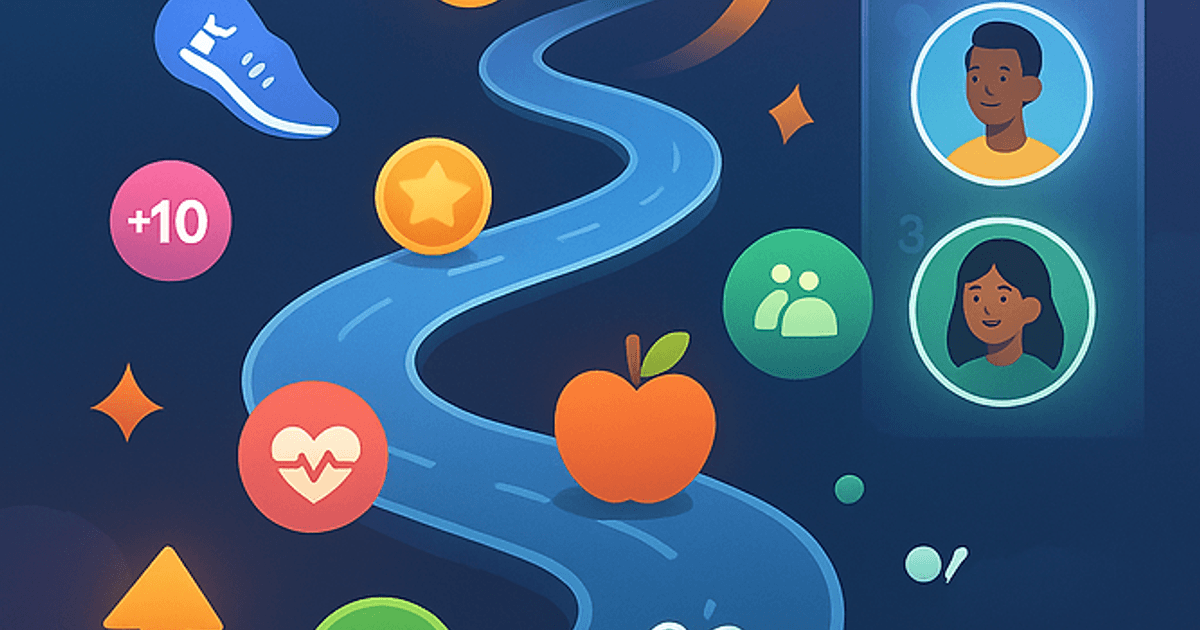
Modern medicine is embracing digital innovation to help patients stay motivated and engaged—both within and beyond the exam room. One of the most exciting trends in health and wellness today is “gamification”: the integration of game-like mechanics into fitness routines, healthy habit-building, and even preventive care. At Viraj V. Tirmal, MD, we believe that informed, empowered patients are more likely to reach their goals and live healthier lives. Let’s explore how playful technology is transforming motivation and making wellness more enjoyable than ever.
What Is Health Gamification—and Why Does It Matter?
Gamification in health is about applying points, badges, leaderboards, challenges, and storytelling to transform everyday wellness activities into engaging journeys. Whether you’re tracking your steps, logging meals, or joining a virtual health challenge, gamification aims to harness the same psychological principles that make games addictive and apply them to achieving real-life health goals.
Recent years have seen explosive growth: The global healthcare gamification market is expected to jump from $4.4 billion in 2024 to $10.8 billion by 2032 (Orangesoft). This surge is driven by rising rates of chronic disease, increased adoption of wearables, and a greater appreciation for behavioral science in medicine.
How Does Gamification Actually Motivate Us?
The Science of Engagement
Humans are wired to seek achievement, recognition, and connection. Gamification taps into these instincts by leveraging:
Points & Badges: Earned for daily or weekly milestones, they offer immediate feedback and a sense of progress.
Leaderboards: Social comparison motivates many to keep up, or get ahead, encouraging consistent behavior.
Challenges & Quests: Turning health goals into narrative adventures fosters greater immersion and excitement.
Community Features: The chance to join teams, compete with friends, or celebrate others’ progress adds social accountability.
These approaches are based on psychological frameworks like Self-Determination Theory (which emphasizes autonomy, mastery, and connection) and traditional behavioral change models (MDPI). Apps and platforms that balance extrinsic motivators (like earning rewards) with intrinsic motivators (such as enjoyment or personal achievement) are best positioned to drive lasting change.
Real-World Examples: Gamification in Action
Take a global view of the most popular wellness platforms and fitness apps, and a common thread emerges: gamification.
Fitbit & Apple Health: Users rack up steps for daily goals, earn digital badges, and can compete in “step challenges” with friends.
MyFitnessPal: Logs healthy habits and celebrates streaks. Community forums let users support one another.
Zombies, Run!: Turns jogging into a thrilling, episodic adventure, demonstrating how storytelling can spice up even basic exercise.
In-person Fitness Centers: Many local wellness centers are gamifying classes and attendance through incentive programs and friendly competitions—priming an entire community for better health.
Leading research indicates that about 64% of top-downloaded health and fitness apps utilize some form of gamification (NIH).
The Benefits: More Than Just Fun and Games
Physical Activity and Weight Management
Gamified interventions, whether digital or in-person, repeatedly show significant increases in physical activity, step counts, and adherence to movement goals. This is especially true when community and competition features are included—helping people stay consistent even as initial enthusiasm fades (Open Public Health Journal).
Mental Well-being
Building healthy habits this way isn’t only about calorie burning or muscle gain. Gamification boosts psychological well-being by fostering achievement, self-confidence, and resilience. Friendly competition and group support can reduce stress, combat isolation, and make positive choices feel more sustainable and enjoyable (MDPI).
Social Connection
Almost all successful programs integrate some aspect of social gamification—teaming up for challenges, sharing results on leaderboards, or supporting friends in private groups. This social dimension dramatically increases engagement and satisfaction. However, it’s important that systems also promote healthy competition and positive reinforcement, rather than undue comparison or stress for users who may be struggling (OpenLoyalty).
Patient Success Story: From Routine to Riveting
Imagine Sarah, a 52-year-old with prediabetes. Like many, she struggled to stick with her activity plan. But after joining a virtual walking group—where step counts were tracked daily, and progress was celebrated with badges and team shout-outs—her motivation soared. Weekly “quests” rewarded creative routes and persistence; social chat let her team cheer her on. Within months, her daily activity doubled, she lost weight, and her lab numbers improved. Sarah’s story is increasingly common, fueled by the right blend of game design and compassionate support.
Are There Risks to Health Gamification?
While gamification can be a powerful tool, it isn’t a magic wand—and it should never replace sound medical advice, regular checkups, and evidence-based care. Some risks to watch out for include:
Overemphasis on Competition: Some users may feel stress or burnout from perpetual comparison.
Obsessive Tracking: Gamification may lead to over-monitoring or unhealthy perfectionism in vulnerable individuals.
Privacy & Data Security: As more wearable and app data is collected, programs must prioritize the protection of users’ sensitive information (OpenLoyalty).
Inclusivity: Features must be accessible to people of all ages, fitness levels, backgrounds, and abilities.
Choosing a well-designed platform—and working with a knowledgeable medical professional—is the best way to ensure benefits far outweigh any drawbacks.
The Future: What’s Next for Gamified Wellness?
Emerging technologies including artificial intelligence, virtual and augmented reality, and advanced data integration promise to further personalize and enrich the gamified health experience (BMC Medical Education). This points toward a future where:
Wearables and Virtual Coaches offer real-time feedback and adaptive goal-setting.
Immersive VR experiences make rehabilitation or cardiovascular exercise fun, interactive, and safe.
Advanced analytics pinpoint individual strengths, weaknesses, and motivational triggers—helping guide truly tailored care.
For those managing chronic conditions, recovering from injury, or simply wanting to be “healthier,” gamification may be the missing link unlocking sustainable lifestyle change.
How Dr. Viraj V. Tirmal Can Help You Level Up
At my MDVIP-affiliated primary care practice in Burtonsville, Maryland, personalized wellness and ongoing support are cornerstones of care. If you’re looking for guidance on harnessing digital wellness tools, integrating gamification into your routine, or building sustainable, enjoyable habits, we’re here for you.
Ready to take the next step toward lasting health?
Call our office at 240-389-1986
Visit us at 3905 National Drive, Suite 220, Burtonsville, MD 20866
Email us at staff@tirmal-md.com
Learn more or join our practice
You don’t have to do it alone—unlock your healthiest future with a care team that truly partners with you.
Related Reading
How Wearable Fitness Trackers Can Support Your Health Goals
Motivation, Accountability, and Wellness Coaching: Strategies for Long-Term Success
References
Gamification in Healthcare: Use Cases, Techniques, and Challenges
Gamification in fitness: Motivating users to get in shape - Smartico
Gamification in Healthcare: Use Cases, Trends, and Challenges - Uptech
The top 13 health & fitness apps of 2023 all have one thing - StriveCloud
Insights at the First Quarter Mark of the 21st Century - MDPI
The Effectiveness of Gamification in Changing Health-related ... - Open Public Health Journal
Wellness App Engagement: How Gamification Can Help
Gamification Use and Design in Popular Health and Fitness Mobile Apps - NIH
The top 13 health & fitness apps of 2023 all use gamification
Positive and Negative Impacts of Gamification on the Fitness Industry
Evaluating the Effectiveness of Gamification on Physical Activity
Gamification in healthcare: Business benefits and real-life examples - OpenLoyalty
Gamification in Health Behavior Change - Catalytic Solutions
Emerging trends in gamification for clinical reasoning education - BMC Medical Education