
Preventing and Managing Type 2 Diabetes: An Expert’s Guide to Lifelong Health
Diabetes, particularly type 2 diabetes, is not just a diagnosis—it’s a pivotal moment where smart choices and preventive care can make all the difference. As a concierge physician deeply invested in your long-term well-being, my goal is to empower you with knowledge, strategies, and support to help you sidestep the complications of diabetes and thrive, no matter your age.
What Is Type 2 Diabetes and Why Does It Matter?
Type 2 diabetes (T2D) is a chronic metabolic disease marked by insulin resistance and reduced insulin production, resulting in elevated blood sugar. Unlike type 1 diabetes, which typically appears in childhood, T2D often develops over years—silently—among adults, especially as we age or gain weight.
Why should you care? Unmanaged, T2D dramatically increases your risk of heart disease, kidney failure, nerve damage, blindness, and stroke (Cleveland Clinic). The good news: T2D is largely preventable and manageable through evidence-based lifestyle changes and modern medicine, which offers hope at every stage of prevention and treatment.
The Power of Prevention: Lifestyle Modifications That Work
Weight Loss: Small Changes, Big Impact
Carrying excess weight—especially around your midsection—is the most significant modifiable risk factor for T2D. Research shows losing just 5–10% of your body weight can reduce diabetes risk by more than half for those at the highest risk (CDC). You don’t need to reach a perfect weight—every pound lost matters.
Healthy Eating: The Right Foundation
Opt for a Mediterranean-style diet, rich in vegetables, whole grains, lean proteins, and healthy fats. This eating pattern not only aids blood sugar control but also reduces risk for heart disease and inflammation. If you’re confused about how to start, our recent post on building a balanced diet offers practical, step-by-step guidance.
Tips for better eating:
- Choose high-fiber foods like leafy greens, lentils, and berries.
- Prioritize complex carbohydrates (whole grain bread, quinoa, oats) over refined ones.
- Limit processed sugars and sugary beverages.
- Incorporate healthy fats (olive oil, nuts, fatty fish) while minimizing trans and saturated fats (NIH).
Regular Physical Activity: Fitness for Life
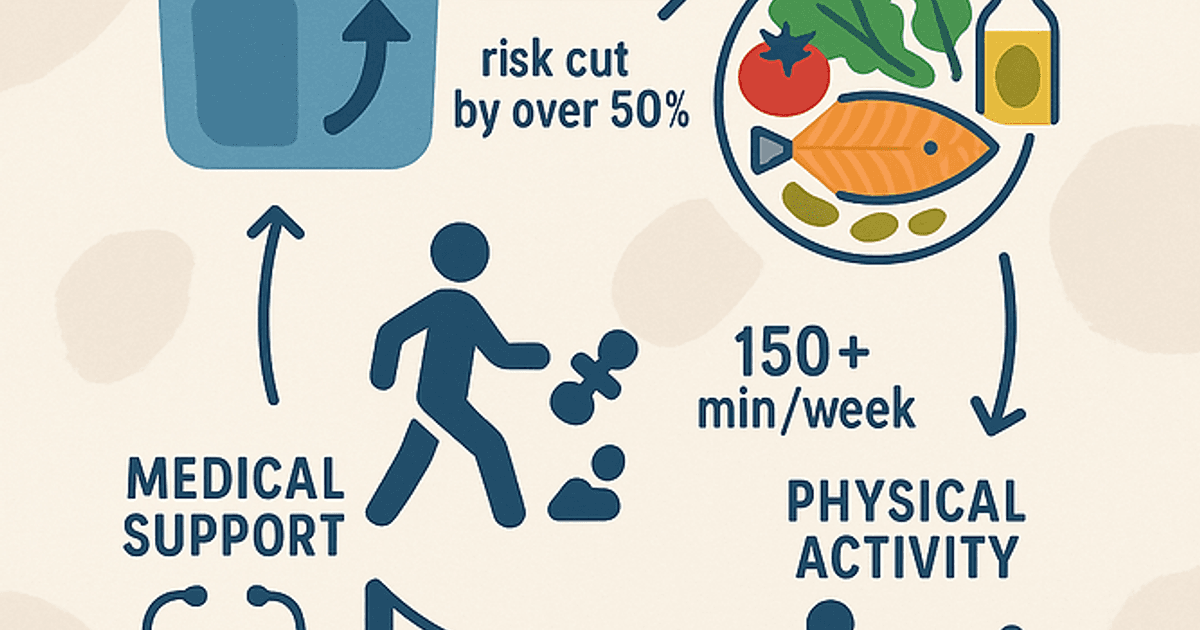
Aim for at least 150 minutes of moderate-intensity activity per week (Mayo Clinic). Both aerobic and resistance training boost insulin sensitivity, lower blood sugar, and help control weight. If exercise routines feel overwhelming, start with manageable steps; our article on building an exercise routine will help you design a plan that matches your lifestyle.
Other Critical Habits
- Stop Smoking: Tobacco use dramatically increases diabetes risk and accelerates complications.
- Annual Check-Ups: Track weight, blood sugar, and cholesterol. Learn more about why regular screenings matter.
Smart Nutrition for Prevention and Disease Management
Diet isn’t about restriction—it’s about nourishment. Let’s break down the essentials for prevention and diabetes care:
- Carbohydrate Quality: Swap white bread, white rice, and pastries for whole grains. Limit sweetened drinks and candy (NIDDK).
- Meal Planning: Consider batch cooking or prepping meals in advance to prevent unhealthy choices. For ideas, check out simple meal prep strategies.
- Personalized Choices: There's no universal diabetic diet. We can work together to build a plan tailored to your culture, preferences, and health needs (Diabetes UK).
Getting Active: Every Step Counts
Physical activity does more than help with weight—it directly improves how your body uses insulin. In fact, structured programs of diet and exercise have been shown to reduce T2D risk by over 50% in high-risk adults (ADA Position Statement). For practical tips to stay active through each season, see fall fitness strategies.
Best practices:
- Combine brisk walking, cycling, or swimming with strength training.
- Break up sitting time with frequent standing or stretching.
- Partner with a friend or group for accountability.
Early Detection: Why Screening Is Vital
Many people live with high blood sugar for years before diagnosis. If you’re over 35, overweight, or have a family history of T2D, routine screening can catch problems early. Standard lab tests include fasting glucose, HbA1c, and oral glucose tolerance tests (USPSTF). Not sure what these labs mean? Review our doctor’s guide to understanding your lab results.
Benefits of early detection:
- Allows for immediate intervention before complications develop.
- Reduces your risk of heart, kidney, and nerve damage.
- Provides a benchmark for future health monitoring.
Medical Advances: Modern Treatments and Personalized Care
Lifestyle change is first, but sometimes medication is necessary to maintain targets. The arsenal for T2D is broader and safer than ever:
- Metformin: The gold standard starter medication—safe, effective, and weight-neutral (Mayo Clinic).
- Newer Medications: GLP-1 agonists, SGLT2 inhibitors, and DPP-4 inhibitors offer additional benefits, such as weight loss and heart protection. For more details on these innovations, read about the long-term impact of GLP-1 medications and the future of digital obesity and metabolic care.
- Integrated Care: Managing cholesterol and blood pressure is as important as blood sugar—many with T2D take statins or ACE inhibitors to prevent heart disease and stroke (PubMed).
Preventing Complications: The Lifelong Approach
T2D is treatable, but it demands vigilance. Key pillars for long-term health:
- Tight Blood Sugar Control: Prevents vision loss, kidney failure, and nerve damage (Mayo Clinic).
- Routine Screenings: Annual eye exams, kidney tests, foot checks, and heart assessments are standard (Cleveland Clinic).
- Culture of Adherence: Staying on top of medications, diet, and appointments is foundational. Our piece on managing chronic conditions in the summer shares useful adherence tips for busy lives.
Empowering Patients: Education and Self-Management
Knowledge is power. Diabetes self-management education (DSME) boosts confidence, improves results, and fosters real-life mastery (Diabetes Care).
- Self-Monitoring: Checking blood sugar at home allows for personalized adjustments and better outcomes.
- Behavioral Health: Managing emotions, stress, and mental fatigue is essential. See our articles on stress management and mindfulness strategies.
- Leveraging Technology: Continuous glucose monitors (CGMs), telehealth, and mobile apps enhance day-to-day management. Explore the rise of CGMs in personalized healthcare.
Community and Public Health: You’re Not Alone on This Journey
Sustainable diabetes prevention extends beyond the clinic. Community programs and public health initiatives create supportive environments for change. As a Burtonsville practice, we foster connections with local resources and culturally relevant education. Nationally, programs like the CDC’s Diabetes Prevention Program have helped tens of thousands delay or avoid T2D (CDC).
Your Personalized Concierge Approach: Why It Matters
Personalized, proactive medicine is the gold standard for diabetes care. As a MDVIP concierge physician, I can:
- Offer same- or next-day appointments
- Spend time customizing a prevention or management plan just for you
- Coordinate advanced diagnostics (including genomic/precision medicine—learn more here)
- Provide ongoing support and direct access when you need it most
Take the Next Step: Partner with Us for Lifelong Health
Type 2 diabetes doesn’t have to dictate your future. Together, we can create a roadmap for success—whether you want to prevent diabetes, achieve remission, or live vibrantly with a diagnosis.
To schedule a personalized wellness evaluation or diabetes assessment, call us at 240-389-1986 or book your appointment online. Interested in the benefits of MDVIP personalized care? Learn more here and join the practice.
Office Information: Viraj V. Tirmal, MD 3905 National Drive, Suite 220 Burtonsville, MD 20866 Phone: 240-389-1986 Fax: 833-449-5686 Email: staff@tirmal-md.com
Related Posts You Might Find Helpful:
- The Rise of Digital Obesity Care: The Future of Personalized Weight and Diabetes Management
- Building an Exercise Routine That Works for You
- Simple Meal Prep Ideas for Busy Adults
- Understanding Your Lab Results: A Doctor’s Guide
- Managing Chronic Conditions in the Summer
- The Long-Term Impact of GLP-1 Medications
- Building a Personalized Preventive Health Plan
References
- Type 2 Diabetes: What It Is, Causes, Symptoms & Treatment - Cleveland Clinic
- Preventing Type 2 Diabetes with the Lifestyle Change Program - CDC
- Diabetes prevention: 5 tips for taking control - Mayo Clinic
- Diabetes: Combined Diet and Physical Activity | The Community Guide
- Your Game Plan to Prevent Type 2 Diabetes - NIDDK
- Dietary Advice For Individuals with Diabetes - NIH
- I have type 2 diabetes – what can I eat? - Diabetes UK
- Exercise and Type 2 Diabetes: The American College of Sports Medicine
- Physical Activity/Exercise and Diabetes: A Position Statement of the ADA
- Prediabetes and Type 2 Diabetes: Screening - USPSTF
- 2. Diagnosis and Classification of Diabetes: Standards of Care in Diabetes
- Understanding Diabetes: Importance of Early Detection & Management
- Type 2 diabetes - Diagnosis and treatment - Mayo Clinic
- Management of Type 2 Diabetes: Selecting Amongst Available Agents
- Type 2 diabetes - Symptoms and causes - Mayo Clinic
- Preventing diabetes complications - PubMed
- Type 2 Diabetes: What It Is, Causes, Symptoms & Treatment - Cleveland Clinic
- 5 Ways to Prevent Common Diabetes Complications: Nidal Hasan, MD
- Diabetes Self-management Education and Support in Adults With Type 2 Diabetes
- Self-Care Practices and Their Role in the Control of Diabetes
- Comparative effectiveness of diabetes self-management education interventions
- Preventing Type 2 Diabetes with the Lifestyle Change Program - CDC
- Public Health Approaches to Type 2 Diabetes Prevention - NIH