
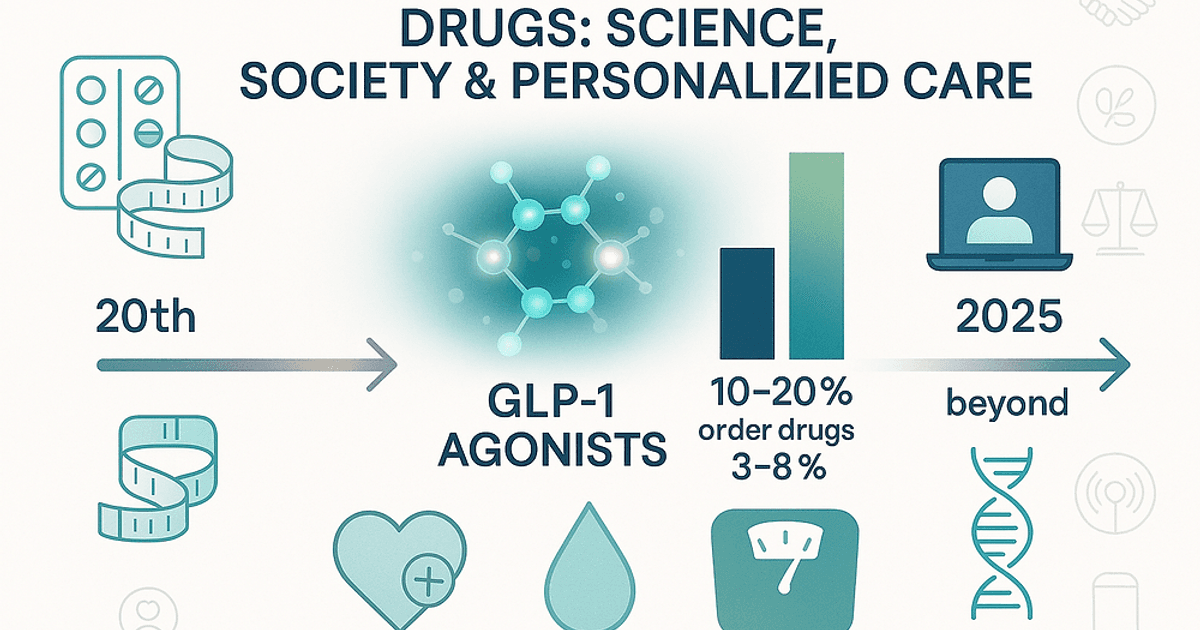
The Rise of Weight-Loss Drugs: Science, Society, and the Future of Obesity Care
By Viraj V. Tirmal, MD | MDVIP-Affiliated Concierge Primary Care 3905 National Drive, Suite 220, Burtonsville, MD 20866 |240-389-1986 | staff@tirmal-md.com
Weight loss medicine has evolved faster in the last five years than over the previous fifty. Once limited to ineffective—and sometimes dangerous—pills, today's landscape features a new class of scientifically engineered medications that have upended obesity care and created a seismic societal shift. If you're curious about the latest innovations, real-world results, the complex controversies, or want to know whether these new drugs are right for you, this comprehensive, expert guide is for you. Below, we review:
- The history and science of weight-loss drugs, including the GLP-1 revolution
- The impact on weight, health, and chronic disease
- Risks, side effects, and regulatory oversight
- Socioeconomic, ethical, and cultural considerations
- The future pipeline and where personalized care fits
As an MDVIP-affiliated physician, my goal is to deliver trustworthy, evidence-based, and individualized insights—empowering you to make the best decisions for your health.
How We Got Here: From Amphetamines to the GLP-1 Revolution
The journey of medical weight loss reflects the complex science—and shifting attitudes—around obesity. The early 20th century saw treatments like thyroid extracts, dinitrophenol, and amphetamines, which delivered only temporary results but high risk of harm.
- The fen-phen era (1990s) ended in scandal, as recalls followed links to heart valve disease. No “magic pill” emerged. A Complete History
- The discovery of leptin in 1994 and advances in the biology of hunger/energy balance ignited targeted drug development. Historical Review
- Later, safer but less dramatic medications (like orlistat) arrived with the 21st century, but results underwhelmed.
- Breakthrough: The 2020s ushered in GLP-1 receptor agonists (semaglutide, liraglutide, tirzepatide), which mimic gut hormones to suppress appetite, increase satiety, and transform glucose/lipid metabolism. GLP-1 Efficacy
Bottom line: With emerging triple agonists and precision strategies, today's treatments deliver weight loss and risk reduction unthinkable even a decade ago.
The Science: How Modern Weight-Loss Drugs Work
- GLP-1 agonists: Mimic incretin hormones, acting on the brain and gut to suppress hunger, slow stomach emptying, and recalibrate reward pathways. Mechanisms Overview
- Combination drugs: Pairing agents (like phentermine/topiramate or naltrexone/bupropion) target appetite, cravings, and emotional eating. Combination Therapies
- Pipeline innovations: New dual- and triple-incretin agonists (GLP-1, GIP, glucagon), oral and once-monthly delivery, and “multi-targeted” metabolic modulator drugs are in advanced trials. 2025 Pipeline
These drugs don't just *suppress appetite*—they address the signaling imbalances at the root of obesity, with lasting neuroendocrine and metabolic effects.
Results & Real-World Impact: What Can You Expect?
- In head-to-head trials, GLP-1 agonists like semaglutide and tirzepatide produced average weight loss of 10-20% over a year—compared to 3-8% for older medications or placebo. Long-Term Efficacy
- Many patients see marked benefits on blood pressure, cholesterol, cardiovascular risk, and A1C—even remission of type 2 diabetes.
- Weight regain is possible if therapy stops, emphasizing the need for ongoing use, lifestyle support, and monitoring. Discontinuation Outcomes
Who does best? While most benefit, individual response varies. Those who combine medication, nutrition, physical activity, and patient-clinician partnership experience the most dramatic results. For holistic support, see our posts on building an exercise routine and goal setting for success.
Risks, Side Effects, and Unanswered Questions
- Most common: mild-moderate nausea, upset stomach, vomiting, diarrhea—often improving after the starting period. Side Effect Details
- Rare but serious: pancreatitis, gallbladder problems, kidney dysfunction, and psychiatric symptoms (especially if pre-existing mood disorders). Safety Study
- Long-term: Neurocognitive, musculoskeletal, and population-scale effects are still being tracked. Ongoing surveillance is crucial. Nature Article
Your safety comes first: Weight-loss drugs are most appropriate when prescribed, monitored, and integrated with nutrition/activity/lifestyle plans by experienced clinicians.
Regulatory Landscape: How Are These Drugs Approved and Managed?
- FDA approval requires ≥5% mean weight loss over placebo at 12 months, significant risk reduction, and comprehensive safety data. FDA Guidance
- Ongoing update and oversight: State/federal law, insurance policy, and professional society guidelines are adapting as access, cost, and health equity concerns grow. Law & Policy Update
- Insurance access: Coverage varies—mainstream insurers cover for diabetes, but for weight loss, coverage is increasing slowly and may require appeals. More on access: Ozempic Ethics
Tip: Know your clinical indication, insurance plan, and appeal pathways—our practice assists every step of the way.
Societal, Economic, and Ethical Considerations
- Cost impact: While drugs may reduce obesity- and diabetes-related costs, widespread long-term use could strain insurance, Medicare, and state budgets. Yale Study
- Health disparities: High out-of-pocket costs and prior authorization barriers risk making these drugs available only to higher-income or privately insured people. Ethics & Equity Review
- Ripple effects: Changes in grocery spending, food system, retail, and related industries are already being observed—an indicator of these drugs' cultural, not just medical, impact. Economic Impact
- Narratives and stigma: The medicalization of weight can sometimes reinforce stigma or shift focus away from environmental and social determinants of health. NYU Nursing
Our approach: Weight is not just a personal or biological matter—it's deeply intertwined with culture, community, and systemic factors. Individualized care, policy advocacy, and patient education all matter.
Innovation & The Future Pipeline
- Ongoing trials are delivering oral, monthly, and even gene-based options for greater personalization and convenience. Pipeline Research
- Dual/triple agonist therapies and non-GI targets (for those with GI side effects or limited response) are on the horizon. DelveInsight
- Integration with digital monitoring, AI-powered coaching, and precision medicine will help match the right patient to the right therapy, and improve equity, adherence, and long-term health. See The Rise of AI in Personalized Primary Care and Digital Obesity Care & Metabolic Health.
The future? Integrative, proactive, and highly individualized—using the best of pharmacology, nutrition, physical activity, behavioral health, and digital tools for whole-person, sustainable change.
Best Practices for Patients: Getting the Most from Modern Weight-Loss Care
- Get a comprehensive assessment: Consider not only BMI but body composition, metabolic health, nutrition, mental health, and personal goals.
- Choose a clinician who offers full-spectrum care—prescription only when indicated and combined with lifestyle, medical, and emotional support.
- Know your medications: Understand expected results, monitoring protocol, and how/when to titrate or stop.
- Monitor labs and side effects: Track A1C, cholesterol, renal/liver function, vitamin status, and side effect log; adjust as needed.
- Advocate for coverage: Use appeals, patient assistance, and clinical documentation to maximize access.
- Prioritize lifestyle: Success is highest when drugs support—not replace—a sustainable approach to healthy eating, physical activity, stress management, and sleep. Read more: balanced nutrition | mindfulness for stress reduction
Ready to take the next step in your weight and health journey? **Call 240-389-1986 orbook your personalized consultation online for a comprehensive, science-based, supportive approach to weight management. **Explore membership and integrative care atMDVIP: Viraj V. Tirmal, MD.
Related Reading—You Might Also Like:
- The Long-Term Impact of GLP-1 Medications: Transforming Diabetes, Obesity, and Cardiovascular Health
- Digital Obesity Care & Metabolic Health: The Future of Personalized Weight and Diabetes Management
- The Importance of a Balanced Diet: Macros and Micros
- Building an Exercise Routine That Works for You
- Managing Stress for Better Mental and Physical Health
Viraj V. Tirmal, MD | Concierge Primary Care | MDVIP Affiliate 3905 National Drive, Suite 220, Burtonsville, MD 20866 Tel: 240-389-1986 | Fax: 833-449-5686 Email: staff@tirmal-md.com | Join Our Practice Serving Burtonsville, Silver Spring, Laurel, and the greater Maryland/DC area.
References & Further Reading
- A Complete History of Weight Loss Drugs
- NCBI Book: Anti-Obesity Medications
- Anti-Obesity Drugs: Long-Term Efficacy
- GLP-1 Action in Weight Control
- Role of GLP-1 Agonists in Weight Loss
- Long-Term Efficacy and Safety of Anti-Obesity Treatment
- Side Effects of Weight Loss Drugs
- WashU: Risks/Benefits of Popular Weight Loss Drugs
- Nature: Obesity Drugs Health Risks
- Goodwin Law: Regulatory Update
- Yale: Expanding Access to Weight-Loss Drugs
- CNBC: GLP-1s and Economic Impact
- NYU: Social Costs of Weight Loss Drugs
- Columbia Psychiatry: Rise of Ozempic
- PubMed: Policy/Ethical Issues
- Mayo Clinic: Prescription Weight-Loss Drugs
- 2025 Obesity Drug Pipeline
- DelveInsight: 9 Obesity Drugs to Watch
- Related: GLP-1 Long-Term Impact