
By Viraj V. Tirmal, MD | MDVIP-Affiliated Concierge Primary Care3905 National Drive, Suite 220, Burtonsville, MD 20866 | 240-389-1986
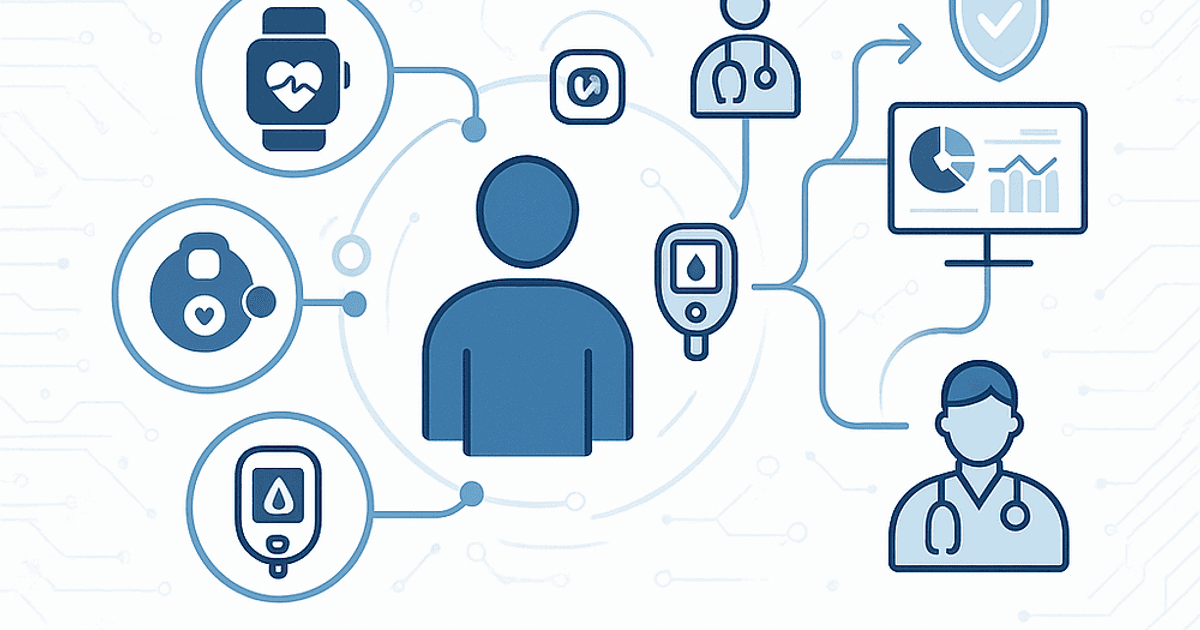
Wearable technology and remote patient monitoring (RPM) are rapidly changing the landscape of medicine, bringing care out of the exam room and into real time, wherever patients live, exercise, and work. From common smartwatches and mobile biosensors to AI-powered analytics, these tools are ushering in an era of highly personalized, proactive, and accessible health management. For patients and physicians alike, the result is earlier disease detection, improved chronic condition control, higher patient engagement, and a more continuous, holistic approach to primary care and wellness.
In this comprehensive physician-led guide, you’ll learn how wearable technology and RPM are being integrated into modern practice, their clinical benefits, barriers to adoption, critical privacy and ethical considerations, and the timely policy shifts shaping their future. As a solo MDVIP-affiliated primary care physician, my mission is to empower every patient—at any stage of life—with both the science and the compassion needed to thrive in a digital health world.
Wearable Technology: Beyond Fitness Trackers
Market Growth and Current Landscape
Global wearable healthcare technology is now a $40+ billion market, projected to quadruple by 2029.
What began with step counters and heart rate monitors now encompasses advanced devices: smartwatches (Apple Watch, Fitbit), wireless ECG and blood pressure sensors, oxygen monitors, continuous glucose monitors (CGMs), smart rings, textiles, and even implantable devices. See Forbes Council.
Devices are being FDA-cleared not just for lifestyle but for clinical diagnostics, arrhythmia detection, seizure monitoring, and more.
Technological Advances: AI and Sensors
AI-enabled analytics: Wearables now analyze vast data streams for irregular heartbeats, sleep disturbances, early warning signs of metabolic or respiratory decline, and much more.
Next-gen sensors: Epidermal “e-tattoos,” smart fabrics, and miniaturized biosensors allow for form factors that are comfortable, unobtrusive, and continuously accurate. See BCC Research.
Seamless connectivity: The Internet of Medical Things (IoMT) and mobile apps connect patient-generated data to cloud-based platforms and—increasingly—electronic health records (EHRs).
Remote Patient Monitoring (RPM): Key Devices and Applications
Key RPM devices: Blood pressure cuffs, blood glucose meters/CGMs, pulse oximeters, smart inhalers, weight scales, cardiac monitors, and digital medication dispensers—all capable of sharing data securely with your care team. New frontiers: Implantable sensors, “smart pills,” and integrated voice/AI coaching platforms. See current research.Applications: Chronic disease management (diabetes, heart failure, hypertension, COPD), early detection of deterioration, facilitating hospital-at-home models, proactive preventive care, and real-time post-surgical monitoring.
AI-driven platforms allow both "bring-your-own-device" and clinical-grade device enrollment, expanding equity and access (HealthArc).
Clinical Benefits and Patient Outcomes
Earlier intervention: Continuous, 24/7 physiologic data allows earlier detection of arrhythmias, glycemic excursions, hypoxia, or impending exacerbations—often before symptoms worsen. See NIH review.
Reduced hospitalizations: Multiple studies show RPM and wearable-guided care can lower ER visits, hospitalization rates, and post-discharge complications.
Improved safety and adherence: Medication reminders, real-time feedback, and “gamified” health tracking increase adherence and engagement, especially in chronic disease and older adults.
Cost savings: Health systems are demonstrating up to 30–40% reduction in avoidable costs with robust RPM programs (Nature: Digital Medicine).
Digital health tools drive meaningful improvements—but only when combined with coordinated, personalized care and patient education.
Challenges and Barriers to Adoption
Technical: Device accuracy, battery life, sensor reliability, data standardization, and EHR interoperability all remain works in progress (Journal of Cloud Computing).
Provider workload and alert fatigue: Too much “raw” or low-value data risks overwhelming clinicians; smart algorithms and actionable dashboards are essential.
Access and health literacy: Cost of devices, internet connectivity, and digital proficiency (especially among older adults and at-risk populations) remain barriers to equitable adoption (PEPID Blog).
Provider skepticism and workflow: Integrating wearables into established clinic workflows requires buy-in, clear protocols, and education for both patients and care teams.
Privacy, Security, and Ethical Considerations
Data protection: Encrypted transmission, secure cloud storage, regular device updates, and rigorous compliance with HIPAA (US)/GDPR (Europe) are essential (Accuhealth).
Patient autonomy: Informed consent, transparency over data access, and easy opt-out mechanisms foster trust and participation (Fibion).
Ethical use: Clear limits on data commercialization and non-health related secondary use are critical for patient safety and legal compliance (Brown CDH).
Integrating Wearables with EHRs and Telemedicine
True impact is only achieved when wearable data integrates seamlessly with telehealth platforms and patient records. Leading practices and health systems are now deploying middleware, APIs, and curated dashboards for real-time alerts, workflow support, and population-level studies (JMIR mHealth).
Solutions include clear clinical responsibility, workflow redesign, highlighting of actionable/critical alerts, and limiting alert fatigue (TBlocks: EHR Integration).
Patient Engagement, Self-Management, and Proactive Healthcare Delivery
Empowerment: Patients active in tracking their health biometrics (via wearables/remote monitoring) show higher adherence, improved outcomes, and greater satisfaction (NIH: Patient Engagement).
Self-management support: Personalized, data-driven feedback improves stability of chronic disease, reduces complications, and supports shared decision-making between patient and provider (NIH Review).
Disease-specific results: Strongest evidence to date is in diabetes, hypertension, heart failure, COPD, sleep apnea, and arrhythmia prevention.
Equity, Accessibility, and the Digital Divide
Cost of devices, barriers to digital literacy, limited broadband access, and cultural/language gaps can limit benefits for rural residents, older adults, and disadvantaged populations.
Best practices include “bring your own device” models, insurance subsidies, public-private device programs, community telehealth hubs, and accessible, multilingual platforms.
See further: Health Equity and Access in Modern Personalized Healthcare.
Regulatory, Legal, and Reimbursement Landscape
FDA/EMA oversight: Devices for clinical decision-making must meet medical-grade accuracy, safety, and evidence standards. Regulation distinguishes “software as a medical device” versus wellness-only products (Crucial Data Solutions).
Medicare/insurance reimbursement: CMS and many commercial plans now reimburse for RPM and, increasingly, for validated wearable data—though requirements and coverage vary (BPC Policy).
Payer and regulatory advocacy is ongoing to streamline billing, expand coverage, and incentivize value-based digital care.
Looking Forward: Future Trends and Research Priorities
AI-powered predictive analytics for earlier intervention, population health risk stratification, and more precise, dynamic individualized care.
Further development of non-invasive, multi-sensor, and hybrid wearable devices (combining HR, O2, ECG, and biochemical sensors in one patch or textile).
More robust integration of patient-generated data into clinical trials, research, and “learning health systems”—expanding the evidence base for real-world impact.
Ongoing research into closing the digital divide and ensuring equitable access for all populations.
Curious how wearable tech or remote monitoring could support your health journey? Call 240-389-1986** or **book a personalized digital health consult at our Burtonsville, MD office. Discover how modern technology and compassionate care can help you achieve your health goals—today and for the future.
Related Reading—You Might Also Like:
The Rise of Continuous Glucose Monitors (CGMs) in Personalized Healthcare
The Power of Genomic Testing and Precision Medicine in Concierge Primary Care
The Rise of AI in Personalized Primary Care
Embracing Telemedicine and Virtual Care: Enhancing Your Concierge Experience
Health Equity and Access in Modern Personalized Healthcare
Spring into Wellness: The Importance of Regular Health Screenings
Viraj V. Tirmal, MD | Concierge Primary Care | MDVIP Affiliate
3905 National Drive, Suite 220, Burtonsville, MD 20866
Tel: 240-389-1986 | Fax: 833-449-5686
Email: staff@tirmal-md.com | Join Our Practice
Serving Burtonsville, Silver Spring, Laurel, and communities across Maryland and DC.
References & Further Reading
Forbes: Wearable Tech in Healthcare
BCC Research: Wearable Market Trends
NIH: Remote patient monitoring — current concept update
HealthArc: Top Emerging RPM Technologies
NIH: The Future of Wearable Technologies
Nature: RPM and patient outcomes
PEPID: The Impact of Wearable Tech
Accuhealth: Addressing RPM Security & Ethics
Fibion: Ethical Considerations in Wearable Tech
Brown CDH: Privacy Data Ethics
JMIR: Wearable and EHR Integration
TBlocks: Wearables Integrated With EHR
NIH: Patient Engagement Impact
NIH Review: Self-management strategies