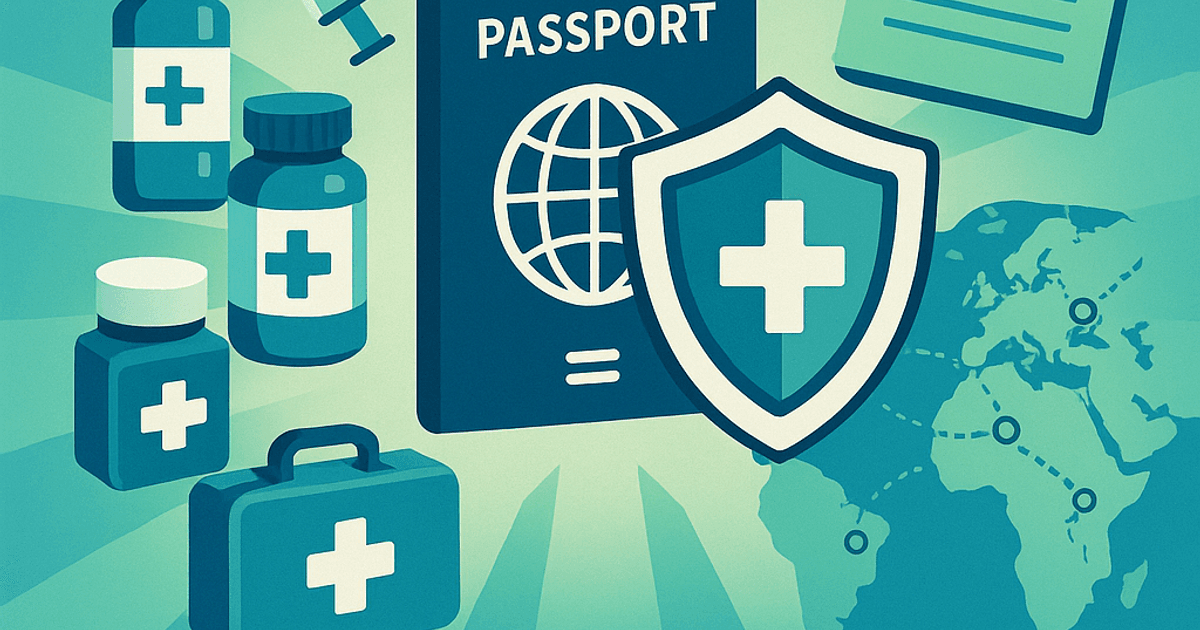
Traveling Safely: Vaccines, Health Kits, and Essential Precautions for Global Journeys
By Viraj V. Tirmal, MD | Concierge Primary Care | 3905 National Drive, Suite 220, Burtonsville, MD 20866 | 240-389-1986
If you’re among the many active adults excitedly planning a global getaway, you already know that travel in 2025 demands something more than a passport and plane tickets. Whether your destination is a tropical escape, a remote work adventure, or a family reunion abroad, staying safe and healthy requires intentional, expert-backed preparation. From infectious disease prevention to medical emergencies far from home, success hinges on understanding the new risks and leveraging the latest health strategies.
As a solo MDVIP-affiliated physician, my mission is to empower you to travel with both confidence and resilience. Below, you’ll find practical, up-to-date insights on vaccines, travel health kits, infectious disease prevention, insurance, chronic disease management, and true “insider” advice. These are the strategies I share with my own patients before every major journey—as well as the principles I use to safeguard your health before, during, and after your travels.
Pre-Travel Health Assessment and Planning: Your First Step for Safety
A pre-travel health assessment is the critical first step in planning any trip outside the U.S.—and best done 4–6 weeks before departure. Why? Because immunizations, malaria prevention, chronic medication management, and risk-stratified health advice take time to tailor and implement.
- Destination-based risk: Health and safety advice is highly specific to where (and how) you travel. A bustling city is very different from a jungle trek or a cruise.
- Personalized assessment: Age, chronic illness (diabetes, heart disease, asthma), immune status, pregnancy, and travel style all impact the plan.
- Holistic prevention: The consult addresses not just infections, but accident/injury risks, vehicle safety, food/water safety, altitude, and mental health.
Travel medicine is not one-size-fits-all—the best plan is made in partnership with a physician who knows your health and your travel goals.
Vaccinations: Required, Recommended, and Essential for Modern Travelers
- Ensure routine vaccines are up to date: Tdap (tetanus, diphtheria, pertussis), MMR, polio, hepatitis A/B, and flu/RSV/COVID-19 as indicated.
- Destination-specific vaccines: Yellow fever: Required for many countries in Sub-Saharan Africa and South America (and proof must be documented!). Typhoid: Advised for most developing regions; available as oral or injectable. Japanese encephalitis, rabies, meningococcal: Needed for some regions and high-risk activities. Hepatitis A: Now a standard for most international travel. See WHO or CDC by country.
- Be aware of timeframes: Some vaccines require two or more doses over weeks.
- Carry proof of vaccination: Some countries will not allow entry or may require quarantine without official documentation. Digital and paper copies, plus backup in your email/cloud, are wise.
Building a Robust Travel Health Kit
- Prescription medications: Bring a sufficient supply (extra if possible) in original containers, with backup copies of prescriptions and a medication summary letter from your physician (including generic names).
- Antibiotics: Sometimes prescribed for high-risk diarrhea or UTI depending on your destination and risk profile. Never self-medicate without a plan.
- OTC essentials: Pain/fever reducer, antihistamine, anti-diarrheal (loperamide), oral rehydration salts, motion sickness meds, topical antibiotic, basic wound care kit (bandages, antiseptic, tweezers, scissors).
- Infection prevention: Hand sanitizer, wipes, face masks, insect repellent (DEET or picaridin), high-SPF sunscreen, SPF lip balm, personal hygiene products.
- Travel-specific gear: Water purification tablets, mosquito nets, condoms, emergency contacts, and local clinic/hospital information. CDC: Travel Kit Checklist.
Pack your health kit in your carry-on, and consider dividing resources between travel partners in case of loss.
Infectious Disease Prevention: Smart Strategies While Abroad
- Hand hygiene: Wash with soap/water or use 60%+ alcohol sanitizer frequently, especially before eating and after public contact.
- Food safety: “Boil it, cook it, peel it, or forget it.” Avoid raw produce, undercooked meats, street food, and unsealed beverages unless you’re certain of water quality.
- Water safety: Choose sealed bottled water; avoid ice, tap water, or brushing teeth with unpurified water in high-risk regions.
- Insect precautions: Wear lightweight, long-sleeved clothing; use bug repellent and bed nets. Vital for malaria, dengue, Zika prevention. See recent global guidance for destination-specific detail.
- Avoid wading/swimming in freshwater: Risks include schistosomiasis and leptospirosis.
- Monitor outbreaks and advisories: Use resources like the CDC Travelers’ Health Portal throughout your travels for up-to-date health alerts.
Tip: Register in the U.S. State Department’s Smart Traveler Enrollment Program (STEP) for safety alerts and to facilitate emergency communication.
Managing Chronic Illness and Medications on the Road
- Pre-travel physician visit: Review how time zones, altitude, or irregular schedules may affect your health.
- Medical summary: Bring a the timeline of your condition(s), medication list (plus generic names/doses), equipment required, emergency contacts, and doctor’s note in lay terms.
- Extra medication: Carry in your carry-on!—Do not check essential meds.
- Wear medical alert jewelry if needed. Traveling as an individual with diabetes, arrhythmia, allergies, or on blood thinners? Visibility is safety.
A proactive plan ensures you have access, advocacy, and documentation in any health emergency, anywhere.
First Aid and Emergency Response: Preparedness Musts
- Prepare a compact emergency kit: Water, nonperishable snacks, flashlight, basic first-aid supplies, written and digital contacts for family, your physician, and local US embassy/consulate.
- Know local emergency numbers: Not all countries use “911”—learn the correct number in advance and post it in your phone and wallet.
- Share your itinerary and communication plan: Regular check-ins with family can prove critical in disasters or regional instability.
- Review local safety and evacuation protocols: Hotels, tour operators, and embassy resources can all help.
For more, see the Red Cross Vacation Emergency Planning Checklist.
Travel Insurance & Medical Evacuation: Don’t Leave Home Without It
- Review your health insurance: Most U.S. plans and Medicare offer no routine coverage abroad. Specialized travel insurance is essential for coverage of accidents, urgent care, and evacuation (NerdWallet: How It Works).
- Buy comprehensive coverage: Look for plans with emergency and evacuation services—these evacuations can run $50,000–$250,000 if uninsured.
- Keep policy info and insurer emergency contacts on you (physical and digital copies), and share details with travel companions for quick access.
Special Populations: Kids, Older Adults, Pregnancy, and Immunocompromised Travelers
- Kids: Age-appropriate vaccinations; extra hydration, sun protection, food safety, and consider medication for age/weight. Familiar snacks and toys for comfort in longer journeys.
- Older adults: Careful heat/sun exposure, mobility support, increased risk for dehydration and travel-related blood clots. Medication reconciliation is especially important—use a pre-trip medication check.
- Pregnancy: Consult with your OB before any trip; avoid live vaccines, and assess safety of destination medical care.
- Immunocompromised travelers: May need “modified” vaccine schedules, strict food/water precautions, protective mask use, and access to specialist care at destination.
See more details: CDC: Traveling with Children.
Travel and Mental Health: Being Prepared for the Unexpected
- Plan ahead for anxiety, sleep disruption, or mood changes: Routines, sleep aids, mindfulness apps, and pre-loaded music or entertainment can help you manage stress.
- Stay connected: Regular check-ins, social and support contacts, and familiar comforts reduce travel-related loneliness or distress.
- Reach out if needed: Don’t hesitate to use travel insurance hotlines or embassy mental health resources if you or a travel companion struggle emotionally.
See tips in Tips to Support Your Mental Health While Traveling and our own Simple Mindfulness Practices for Stress Reduction.
COVID-19 & Emerging Health Threats: Staying Ahead of Change
- Check travel advisories and regulatory changes before you go: COVID-19 rules and documentation requirements can change overnight.
- Vaccination & boosters: Ensure you have up-to-date immunization to meet both entry and transit requirements—many countries require digital proof and, sometimes, pre-entry or day-of-arrival testing.
- Continue sensible precautions: Wear masks in crowded/indoor settings, wash hands frequently, and practice distancing as needed, especially in high-risk regions or crowded transit hubs.
- Monitor new risks: Zika, dengue, mpox, and vector-borne diseases may surge or recede rapidly—review global notice boards such as WHO Travel Advice and the CDC's region-specific Travel Portal.
Staying Informed and Connected During Your Trip
- Bookmark CDC and WHO travel health resources for advisories and up-to-date local requirements.
- Download health and safety apps ahead of time (e.g., Headspace for stress, local embassy apps, WhatsApp for group safety check-ins).
- Know your embassy contact info and local hospital options at every destination.
Post-Travel Monitoring: When (and Why) to See Your Doctor After Returning Home
- Monitor for symptoms: Fevers, digestive changes, cough, unexplained rashes, fatigue, or jaundice can signal traveler’s illness—even 4 weeks (or more) after your return.
- Share your travel timeline with your physician: Early evaluation and destination-specific testing can be life-saving for returning travelers with symptoms.
- Routine post-travel screening is critical for those returning from regions with malaria, TB, or other endemic threats—or after an extended trip.
Ready to make your global journey safer, easier, and more enjoyable? **Call 240-389-1986 or book your pre-travel consultation online for a comprehensive, personalized travel health plan—vaccines, medications, emergency strategy, and tailored advice. **Your health is your most important passport—travel prepared, travel well!
Related Reading—You Might Also Like:
- Staying Hydrated in the Summer Heat
- Beat the Heat: A Complete Guide to Safe and Effective Warm Weather Exercise
- Building an Exercise Routine That Works for You
- Simple Mindfulness Practices for Stress Reduction
- Setting SMART Health Goals for the Year
- The Importance of a Balanced Diet: Macros and Micros
Viraj V. Tirmal, MD | Concierge Primary Care | MDVIP Affiliate 3905 National Drive, Suite 220, Burtonsville, MD 20866 Tel: 240-389-1986 | Fax: 833-449-5686 staff@tirmal-md.com |Join Our Practice Serving Burtonsville, Silver Spring, Laurel, and travelers from the greater Maryland and DC area.
References & Further Exploration
- CDC: The Pre-Travel Consultation
- WHO Travel Vaccines & Requirements
- CDC: Travel Health Kits
- MedlinePlus: Strategies for Infectious Disease Prevention
- Hopkins: Traveling with Chronic Illness
- Red Cross: Planning an Emergency for Vacation
- Nerdwallet: Medical Emergency Coverage
- CDC: Traveling with Children
- Triumph Behavioral Health: Traveling and Mental Health
- WHO: Global Health Travel Alerts
- CDC: Travelers’ Health Portal
- CDC: Post-Travel Evaluation