Understanding Antimicrobial Resistance: Why It Matters
What Is AMR and Why Is It So Dangerous?
Antimicrobial resistance describes the process by which bacteria, viruses, fungi, and parasites evolve to evade the effects of medications designed to kill or neutralize them. When these microbes survive, they continue to multiply, making standard treatments ineffective and increasing the risk of severe illness or death. This means:
- Longer recovery times
- More severe or recurrent infections
- Hospitalizations and intensive care
- Higher rates of complications and death
Immunocompromised patients, those over 65, and anyone undergoing surgery or chemotherapy are particularly vulnerable.
Learn more about practical health protection in Tips for a Healthy Winter: Immunity Boosting and Cold Weather Safety.
The Alarming Rise of Superbugs
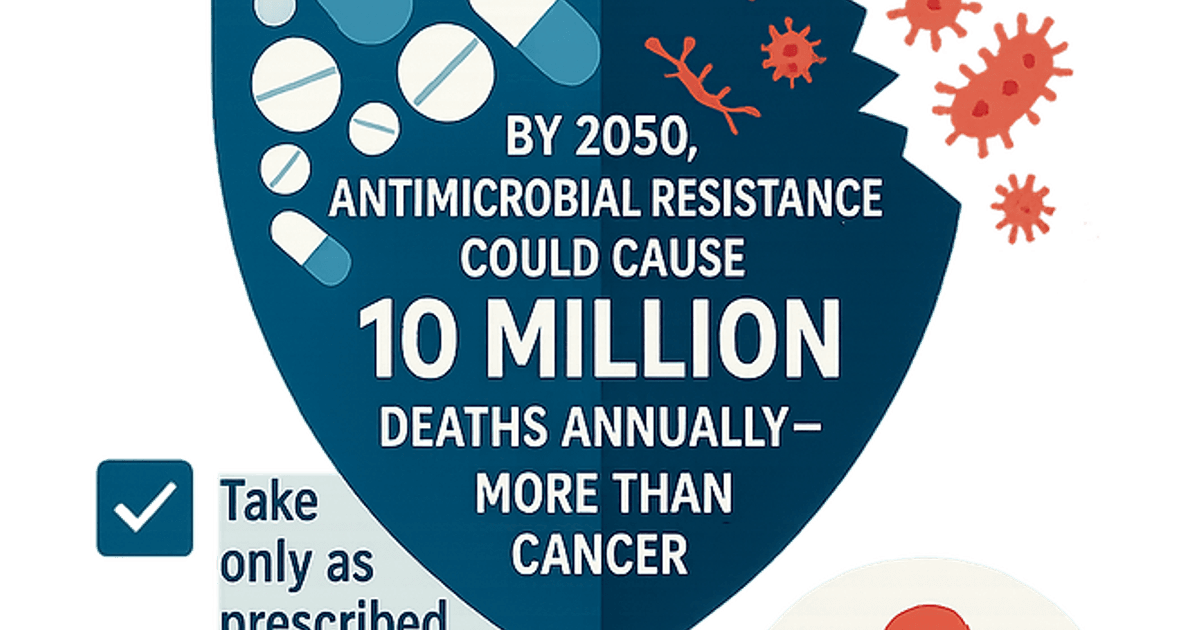
“Superbugs” is a nickname for bacteria that have become resistant to multiple antibiotics. Overuse and misuse of antibiotics in humans and animals have accelerated their evolution. The World Health Organization estimates that by 2050, AMR could cause up to 10 million deaths each year worldwide—surpassing deaths from cancer.
Antibiotic Stewardship: What It Means and Why It Works
Defining Antibiotic Stewardship
Antibiotic stewardship involves coordinated strategies to improve antibiotic prescribing and use by:
- Ensuring antibiotics are only prescribed when truly necessary
- Using the right medicine, at the right dose, for the right duration
- Reducing unneeded exposure to antibiotics, decreasing side effects, and slowing resistance
Every healthcare setting today, including solo practices like ours in Burtonsville, MD, is called upon to embrace evidence-based stewardship.
How Stewardship Programs Save Lives
Antibiotic stewardship leads directly to:
- Improved patient outcomes
- Fewer hospital-acquired infections
- Fewer medication side effects
- Greater protection for vulnerable patients
Programs include regular physician training, guidelines for prescribing, follow-ups to ensure treatment is effective, and education for patients.
For example, stewardship means that if you visit us with viral cold symptoms, we’ll provide guidance on symptom relief—but avoid an unnecessary antibiotic, protecting both your health and the future utility of these life-saving medications.
Individual, Community, and Global Consequences of AMR
The Impact on Your Health
Patients may face:
- Infections that don’t improve with standard medications
- The need for costly, toxic, or experimental treatments
- Interference with surgeries, cancer therapy, and wound healing
- Prolonged illness and more days lost from work or family
For details on effective self-care and how proactive partnership with your doctor enhances health, see Building a Partnership with Your Primary Care Physician.
How Communities and Healthcare Systems Suffer
AMR results in:
- Increased healthcare costs (longer hospital stays, more intensive care)
- Higher rates of procedure cancellations
- Outbreaks of untreatable infections in hospitals and communities
The Global Economic Toll
Left unaddressed, AMR could cause worldwide GDP to fall, reduce workforce productivity, and devastate healthcare budgets, costing trillions of dollars annually.
The Patient’s Role: Become a Steward of Antibiotic Effectiveness
How Your Actions Influence Resistance
Many forms of AMR begin with small, everyday choices:
- Taking antibiotics for colds or the flu (which are viral—not bacterial)
- Saving leftover antibiotics or sharing them with others
- Skipping doses or stopping medication early once you “feel better”
Responsible Antibiotic Use Checklist
- Only take antibiotics prescribed for you, by a licensed healthcare provider
- Never pressure your doctor for antibiotics if they aren’t indicated
- Never use old or leftover antibiotics
- Finish the entire course, even if you feel better partway through
- Carefully follow your doctor’s instructions and attend all follow-up appointments
For more about effective communication with your doctor, visit Telehealth Tips: How to Prepare for Virtual Appointments.
Preventing Infections—Not Just Treating Them
You can further reduce the need for antibiotics by:
- Practicing good handwashing habits
- Keeping up-to-date on vaccinations (see Vaccines Adults Over 50 Should Know About)
- Preparing food safely
- Following guidance during public health outbreaks
Simple actions—like covering coughs, disinfecting high-touch surfaces, and seeking early evaluation when sick—reduce opportunities for resistant infections to spread.
Setting the Record Straight: Myths & Facts About Antibiotics
Common Myths Explained
- Myth: "Antibiotics work for all infections."
- Fact: Antibiotics only treat bacterial infections, not viruses or fungi.
- Myth: "If I stop taking antibiotics after I feel better, that’s fine."
- Fact: Stopping early helps surviving bacteria become resistant.
- Myth: "If I get antibiotic-resistant bacteria, it means I’m to blame."
- Fact: Resistant infections can affect anyone; your choices help reduce risk.
Read more about prevention myths in Spring Cleaning Your Health: Detox Myths and Facts.
Global Action and the Future of Antibiotic Effectiveness
International Campaigns and Innovations
Organizations like the World Health Organization, CDC, and local health departments are implementing:
- Stricter controls on antibiotic sales and prescriptions
- Surveillance for resistant infections
- Investment in research for new antibiotics, diagnostics, and vaccines
- Global educational campaigns
The Promise of Research and Technology
Researchers are working to develop:
- Rapid diagnostic tests to distinguish viral from bacterial infections
- New generations of antibiotics
- Alternative treatments (such as phage therapy)
Stay informed about medical innovation in The Rise of AI in Personalized Primary Care and The Role of Genomic Testing and Precision Medicine in Concierge Primary Care.
What Every Patient Can Do—Right Now
Your Checklist for Action
- Ask questions when prescribed an antibiotic: “Is this really necessary?”
- Prevent infections where you can, particularly with high-risk family members
- Keep your vaccinations current for you and your loved ones
- Respect all infection control rules at hospitals, clinics, and pharmacies
- Share your knowledge—educate others about what you’ve learned
Our primary care team at Viraj V. Tirmal, MD is dedicated to antibiotic stewardship and patient safety. If you are concerned about infections, medication use, or how you can participate in safeguarding antibiotics for the future, we invite you to reach out.
Book your next appointment online: Schedule an Appointment
Interested in joining our practice? Join Dr. Tirmal’s Practice
Office address: 3905 National Drive, Suite 220, Burtonsville, MD 20866
Phone: 240-389-1986 | Fax: 833-449-5686 | Email: staff@tirmal-md.com
You Might Also Like
- Tips for a Healthy Winter: Immunity Boosting and Cold Weather Safety
- Building a Partnership with Your Primary Care Physician
- Vaccines Adults Over 50 Should Know About
- Spring Cleaning Your Health: Detox Myths and Facts
- Telehealth Tips: How to Prepare for Virtual Appointments
- The Rise of AI in Personalized Primary Care
- The Role of Genomic Testing and Precision Medicine
References
- Antimicrobial resistance - World Health Organization
- Antimicrobial resistance: Impacts, challenges, and future prospects - ScienceDirect
- Mechanisms of antibiotic resistance - Osmosis
- What Is Antibiotic Stewardship—and How Does It Work? - Pew
- Core Elements of Antibiotic Stewardship - CDC
- Implementing an Antibiotic Stewardship Program: Guidelines - Oxford Academic
- Antimicrobial Stewardship - StatPearls - NCBI Bookshelf
- Antibiotic Resistance: What Is It, Complications & Treatment - Cleveland Clinic
- Antimicrobial Resistance: The Impact from and on Society - MDPI
- Antimicrobial resistance - World Health Organization
- Antibiotic Resistance - StatPearls - NCBI Bookshelf
- Antibiotic Resistance | Cedars-Sinai
- Antibiotic Resistance - NFID
- Global leaders set first targets to control antimicrobial resistance crisis - WHO
- Promoting antimicrobial stewardship to tackle antimicrobial resistance - WHO
- Global Governance Mechanisms to Address Antimicrobial Resistance - NIH PMC
- Collaborative Global Leadership to Combat Antimicrobial Resistance - health.gov
- Incentivizing Antimicrobial Stewardship through Outcomes-Based Financing - PATH
- Myths and Facts About Antimicrobial Resistance - Pfizer
- Antibiotic Resistance: What Is It, Complications & Treatment - Cleveland Clinic
- Antibiotic Resistance | Cedars-Sinai