By Viraj V. Tirmal, MD | MDVIP-Affiliated Concierge Primary Care
3905 National Drive, Suite 220, Burtonsville, MD 20866 | 240-389-1986 | staff@tirmal-md.com
As we age, so does our immune system, quietly increasing the risk of preventable illnesses like pneumonia, flu complications, shingles, and more. For adults over 50, timely vaccinations aren't optional—they're a cornerstone of living well, minimizing hospitalizations, and preserving independence for the activities and people you love.
This all-in-one, physician-led guide breaks down which vaccines are essential, how they work, and why they're uniquely critical after age 50. You'll also find the latest science on efficacy, practical details about cost and access, safety data, strategies to overcome misconceptions and barriers, and how to tailor your vaccination plan to your health, your family, and your future.
Why Immunization Matters After 50
Immune system changes: "Immunosenescence" weakens your ability to fight infections and even blunts responses to vaccines. That makes vaccine-preventable diseases more severe and deadly.
Complication risk: The risk of hospitalization or life-altering complications rises sharply with age, especially if you have heart, lung, diabetes, cancer, or are immunocompromised. Vaccines reduce these events—sometimes by half or more (NFID).
Protecting others: Aging often means more time with grandchildren, volunteer work, social events, or caregiving. Your vaccinations protect family, friends, and the community—especially babies and vulnerable neighbors.
Key insight: Making vaccination a routine part of healthy aging transforms doctor visits from reaction…to protection.
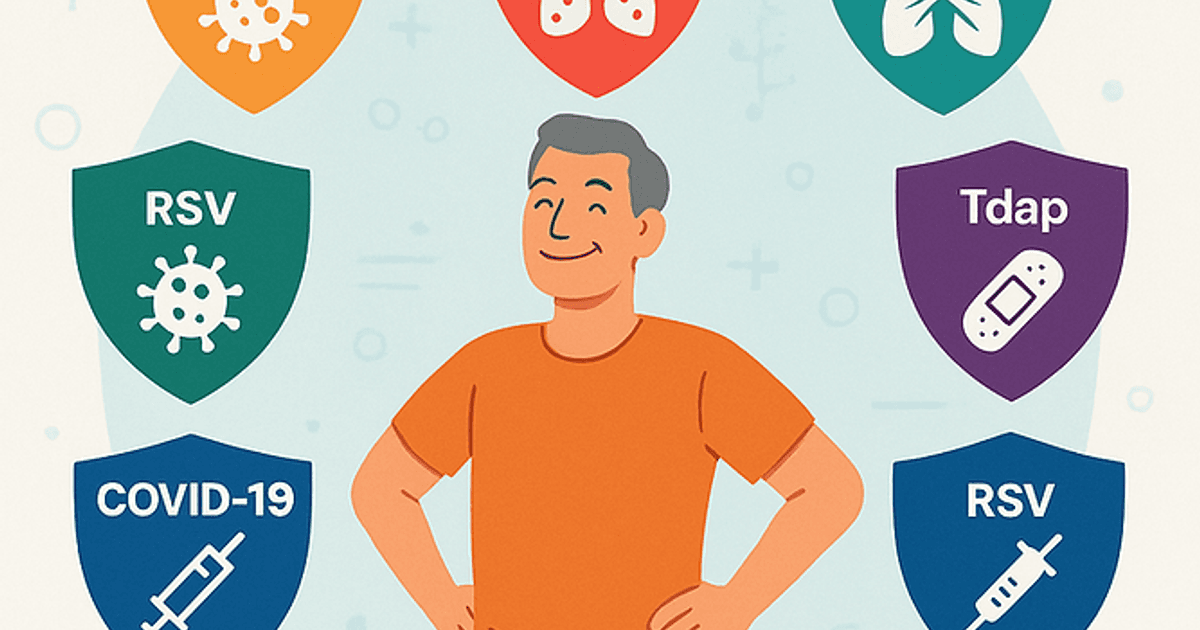
7 Vaccines Every Adult 50+ Should Know
Influenza (“Flu")
Why: Flu viruses are unpredictable and cause more severe illness in older adults. Flu can trigger hospitalization, pneumonia, or even heart attacks and strokes (NIA).
When: Annually, preferably before flu season (October/November). High-dose or adjuvanted vaccines are recommended for 65+; ask your physician.
Shingles (Herpes Zoster)
Why: One in three adults will get shingles. The risk and severity—including prolonged pain (postherpetic neuralgia)—rises past age 50.
What: Shingrix, a 2-dose non-live vaccine, is >90% effective at preventing shingles and its complications, even in immunocompromised people (CDC).
When: Starting at age 50+, with two doses 2-6 months apart.
Pneumococcal (Pneumonia) Vaccines
Why: Pneumococcal bacteria cause pneumonia, sepsis, and meningitis—which are deadlier after 50 and after even common chest infections.
What: New options (PCV20, PCV15, PCV21, sometimes followed by PPSV23) provide broader protection and may reduce the number of shots required. Your personal recommendation depends on age, health conditions, and vaccination history—ask your provider (CDC Schedule).
When: At age 65+, or earlier if you have heart/lung disease, diabetes, a weakened immune system, or smoke. Different schedules apply depending on vaccine choice.
Tetanus, Diphtheria & Pertussis (Tdap/Td)
Why: Tetanus risk never disappears; pertussis outbreaks are resurgent, especially dangerous for grandbabies and those with lung disease.
What: Tdap (with pertussis) at least once as an adult, then Td booster every 10 years (CDC).
COVID-19
Why: COVID remains more dangerous with age, comorbidities, and immune compromise; risk rises for hospitalization, long COVID, and severe complications.
What: Annual risk-adapted booster is now standard, with vaccines updated to match circulating strains. New formulations are well-tested for safety in older adults (PBS Coverage).
When: Every fall (or as recommended), including for those previously vaccinated or infected.
RSV (Respiratory Syncytial Virus)
Why: New vaccines prevent severe lung infection, especially for adults 75+, or those 50+ with heart/lung disease or weakened immune systems.
What: Arexvy, Abrysvo, and Moderna mResvia are now approved and recommended by age/risk (CDC Addendum).
When: One-time for eligible adults; check CDC updates for evolving guidance.
Hepatitis B and Special Vaccines
Why: Hepatitis B risk rises with certain health conditions, travel, and aging. Other shots (hepatitis A, MMR, meningococcal, yellow fever, typhoid, etc.) may also be needed under special circumstances (CDC).
When: If you have diabetes, kidney/liver disease, are on immunosuppressants, or travel to high-risk regions. Your doctor will customize your “catch-up” or travel plan.
Vaccine Efficacy and Safety in Older Adults
While immune response to vaccines may decline with age, vaccines still greatly reduce severity, complications, and death—and are continually improved for older adults.
High-dose and adjuvanted formulations are specifically engineered for seniors, boosting protection (Nature Review).
Side effects are generally mild (soreness, low fever, fatigue). The benefits vastly outweigh risks, especially for those 50+, those with chronic conditions, people of color, and those with lower mobility or social support.
The science is clear: skipping vaccinations exposes older adults to higher rates of severe illness, hospitalizations, and lasting health setbacks, not just "the sniffles."
Overcoming Barriers and Misconceptions
Misinformation: Some fear “overloading” the immune system or question vaccine necessity/safety in older adults. In reality, multiple well-tested vaccines are safe, can be given together, and have improved older adults' healthspan for decades (NIA Vaccine Guide).
Cost/access: Medicare, Medicaid, and most private insurances now fully cover recommended adult vaccines—including shingles and pneumococcal shots—with new laws designed to remove financial barriers (NCOA Medicare Guide).
Scheduling, mobility, transportation: Concierge-style and primary care practices often coordinate all vaccines during regular checkups, often bringing shots to your home for the homebound, and providing clear reminders and follow-ups.
Stigma and needle fear: Gentle, supportive environments and pre-vaccine counseling can address anxiety; smaller-gauge needles and new vaccine types reduce discomfort.
Key action: If you're unsure about the timing, safety, or cost of any vaccine, talk to a physician who knows your health… not just the guidelines. Your choices can be adapted to you.
Special Populations: Immunocompromised, Travelers, and More
Immunocompromised adults: May need extra or early doses (e.g., pneumonia, shingles), or avoid “live” vaccines. Newer vaccines like Shingrix are safe for many immunosuppressed patients; always review your meds and risks with your provider (CDC Adult Immunization Notes).
Frequent travelers ("silver globetrotters"): Some destinations require or strongly recommend additional vaccines (yellow fever, typhoid, rabies, hepatitis A). Planning 4-6 weeks before travel is ideal (WebMD).
Those in close contact with infants: Be sure pertussis and flu shots are up-to-date, as babies are especially vulnerable.
Cost, Access, and Insurance Coverage
Coverage: Medicare (Part B & D), Medicaid, and most commercial plans now cover all CDC-recommended adult vaccines with no out-of-pocket cost. Confirm coverage annually with your insurer or your health care team (Health.gov).
Local options: Vaccines are widely available at most primary care offices, urgent care, pharmacies, and health departments. Some counties offer free clinics for uninsured adults.
Travel vaccines: Some specialized vaccines may incur out-of-pocket fees if not for routine adult U.S. use. Compare options with your provider and explore travel and CDC vaccine clinics.
For additional help: see our guide on maximizing your health insurance benefits.
Emerging and Recently Approved Vaccines
RSV: Major progress for adults 60+; CDC recommends for all adults 75+ and high-risk 50-74-year-olds. After age 75, be sure to ask for this shot (CDC Addendum).
Shingrix (shingles): Now recommended for all over 50 and immunocompromised adults over 19—even if previously had Zostavax or shingles disease. Requires two shots for lifelong protection (CDC Updated Notes).
Pneumococcal PCV20 & PCV21: Broadened protection, fewer shots, and newer protocols for immunocompromised and “catch-up” vaccination (NCOA).
COVID-19: Annual formula updates and expanded eligibility for boosters; keep up with current year’s recommendations (PBS).
Ready to update and personalize your vaccine plan?
Call 240-389-1986 **or **schedule your Healthy Aging vaccine review today. Proactive prevention is a foundation of lifelong wellness—let's build yours, together!
Related Reading—You Might Also Like:
The Critical Role of Preventative Care: Annual Exams and Vaccinations
Tips for a Healthy Winter: Immunity Boosting and Cold Weather Safety
Traveling Safely: Vaccines, Health Kits, and Precautions
Spring into Wellness: The Importance of Regular Health Screenings
Building a Personalized Preventive Health Plan
Aging Gracefully: Tips for Bone and Joint Health
Viraj V. Tirmal, MD | Concierge Primary Care | MDVIP Affiliate
3905 National Drive, Suite 220, Burtonsville, MD 20866
Tel: 240-389-1986 | Fax: 833-449-5686
Email: staff@tirmal-md.com | Join Our Practice
Serving Burtonsville, Silver Spring, Laurel, and the greater Maryland/DC area.
References & Further Reading
NFID: Why Vaccinations Are Vital for Older Adults
PMC: Vaccination programs for older adults
NIA: Vaccinations and Older Adults
CDC: Adult Vaccine Recommendations
CDC: Adult Immunizations Overview
Nature: Insights into Vaccines for Elderly Individuals
NIA: Vaccine Safety and Efficacy
ScienceDirect: Barriers to Vaccination
American Journal of Medicine: Barriers to Adult Immunization
PubMed: Drivers and Barriers to Adult Vaccination
CDC: Adult Immunization Schedule Notes
WebMD: Essential Screenings and Vaccines for People Over 50
Health.gov: Get Vaccines to Protect Your Health (50+)
NCOA: Medicare and Medicaid Now Fully Cover Preventive Vaccines