
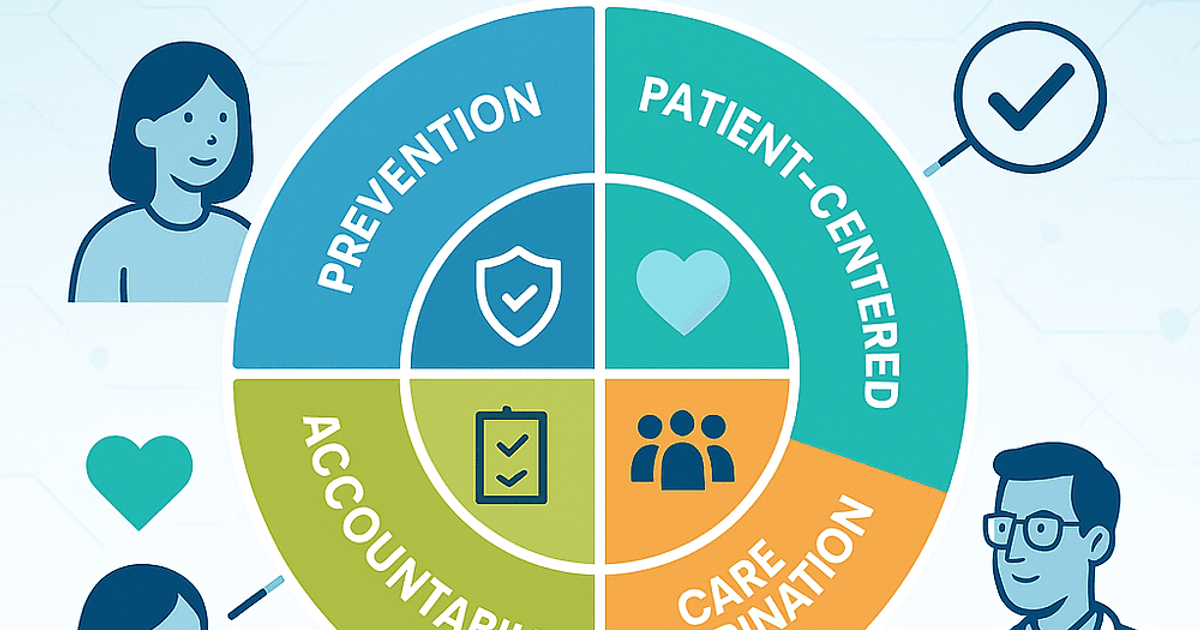
In today's dynamic healthcare landscape, more and more patients and providers are choosing an approach that goes beyond simply treating illness episode by episode. Value-based care (VBC) is a transformative model that prioritizes quality, patient outcomes, and long-term wellness over the number of tests, procedures, or office visits. For patients, especially adults looking to build trusting, lasting relationships with their primary care physician, understanding this shift can profoundly improve your healthcare experience.
At my Burtonsville, MD practice, I am passionate about guiding individuals not only to better health but also through the evolving nature of healthcare itself. In this article, I will explain what value-based care really means, highlight its distinct advantages in primary care, address the common challenges, and help you—the patient—make an informed decision about your health journey.
What Is Value-Based Care? Core Principles and Goals
Value-based care redefines how health services are delivered and reimbursed. Instead of pay-per-visit or service, VBC is built on the foundation of:
Patient-Centeredness: Your individual needs, goals, and preferences are central to the plan of care.
Prevention: Emphasizing regular screenings, lifestyle support, and early intervention to keep minor issues from becoming major ones.
Care Coordination: Team-based collaboration—often integrating specialists, nutritionists, behavioral health professionals, and technologists—to ensure nothing falls through the cracks.
Accountability: Providers are held to measurable standards of efficiency, quality, and patient satisfaction (NEJM Catalyst; CMS Value-Based Care Basics).
The primary goal? Better health for every patient, improved population wellness, lower healthcare costs, and a more satisfying care experience. It’s a holistic philosophy that aligns medical practice with the realities of modern life.
Value-Based Care vs. Fee-for-Service: What Makes It Different?
Traditional care models (fee-for-service, or FFS) reward volume—each test, procedure, or appointment generates payment, regardless of the outcome. In contrast, value-based care rewards providers for keeping you healthy, lowering unnecessary visits, and managing chronic disease with foresight.
Key Structural Differences
FFS: Your doctor is reimbursed for every visit, test, or intervention.
VBC: Payment is linked to quality benchmarks and improved outcomes through models such as bundled payments, shared savings, or capitation.
For you as a patient: VBC often means more time with your physician, proactive follow-ups, a focus on wellness, and improved communication among your healthcare team. You’re likely to experience regular care coordination, fewer redundant tests, and a greater emphasis on preventive care (Aledade; Vim).
Why Value-Based Primary Care Matters for You
1. Whole-Person, Patient-Centered Care
VBC primary care practices look at the whole patient—including your lifestyle, stress, nutrition, mental health, genetics, and personal goals. It’s a collaborative relationship where education, shared decision-making, and communication are the norm.
Learn more about the benefits of building a strong patient-physician relationship in Building a Partnership with Your Primary Care Physician.
2. A Focus on Prevention and Chronic Disease Management
Frequent, personalized follow-ups and active screening help detect issues early. Whether it’s diabetes, high blood pressure, or cholesterol, VBC practices emphasize education, early detection, and a team-based approach to management.
Explore proven preventive health strategies in The Importance of Regular Health Screenings and Importance of Preventative Care: Annual Exams and Vaccinations.
Get practical chronic condition management tips in Managing High Blood Pressure and Cholesterol and Preventing and Managing Type 2 Diabetes.
3. Improved Coordination for Your Healthcare Needs
VBC enables better communication between your primary doctor and any specialty, lab, or home service provider. This coordination means smoother referrals, safer medication management, and continuity of care before, during, and after procedures.
For more on how coordinated care can help you avoid unnecessary visits, see When to See a Specialist: Common Referral Needs.
4. Enhanced Patient Experience and Satisfaction
Because VBC models often include patient surveys and outcome tracking, your feedback plays a direct role in shaping care. Patients report higher satisfaction due to improved communication, accessibility, and a sense that their health—not just their illnesses—truly matters (AAFP).
The Challenges: Why Hasn’t Every Practice Switched to Value-Based Care?
Despite its promise, transitioning to value-based care is not without hurdles:
Upfront Investment: Integrating care coordinators, advanced electronic health records, and new reporting systems can be challenging for small or solo practices.
Data and Technology Demands: To track and share health outcomes, VBC relies on robust, secure IT systems—a challenge in underfunded or rural clinics.
Cultural Change: Providers and staff must embrace new roles, new workflows, and ongoing training, which can take time and resources (BDO; PMC).
Is Value-Based Care Delivering Better Outcomes?
For Patients
Reduced Emergency Visits: Better management and prevention lead to fewer crises.
More Preventive Screenings: Early detection of problems improves long-term health.
Personalized Attention: Care that adapts to your evolving needs.
For Providers
Greater Satisfaction: Physicians report deeper relationships with patients and more meaningful impact.
Professional Growth: The shift to VBC fosters teamwork and shared learning.
Quality Focus: More time can be devoted to preventive, comprehensive care (NEJM Catalyst; AAFP).
Real-World Examples: Innovations in Action
Several pioneering healthcare organizations—such as Kaiser Permanente and Patient-Centered Medical Homes—showcase the benefits of VBC through integrated teams, advanced health IT, and seamless care transitions. These models adapt lessons learned and use technology for real-time feedback, ensuring continuous improvement (AMA; Permanente Medicine).
Right here in our region, many MDVIP-affiliated practices—including mine—are leading the way by providing concierge-style, value-focused care with same-day appointments, extended visits, and comprehensive annual wellness planning.
For insights on these innovative approaches, read Embracing Telemedicine and Virtual Care and The Rise of AI in Personalized Primary Care.
How to Take Action as a Patient
Ask Questions: Get to know your doctor’s philosophy of care and how they track patient outcomes.
Prioritize Preventative Health: Take advantage of recommended screenings and lifestyle counseling.
Engage in Your Health Data: Embrace technology to track wellness metrics and share feedback with your care team.
Choose Practices That Prioritize Value: Consider practices like ours—MDVIP-affiliated—that go above and beyond to deliver continuous, coordinated, and preventive healthcare.
To experience the true benefits of personalized, value-based primary care in Burtonsville or anywhere in Maryland, reach out to our office or join our practice today. Our team is dedicated to supporting your lifelong health goals, combining the latest in evidence-based medicine with attentive, compassionate care.
Ready to embrace a smarter, more patient-focused healthcare journey?
Book your next appointment online now or contact us at 240-389-1986. Visit our office at 3905 National Drive, Suite 220, Burtonsville, MD or email us at staff@tirmal-md.com for more information.
Related Resources & Further Reading
Building a Partnership with Your Primary Care Physician
The Importance of Regular Health Screenings
Importance of Preventative Care: Annual Exams and Vaccinations
Managing High Blood Pressure and Cholesterol
Preventing and Managing Type 2 Diabetes
When to See a Specialist: Common Referral Needs
Embracing Telemedicine and Virtual Care
The Rise of AI in Personalized Primary Care
References
What Is Value-Based Healthcare? - NEJM Catalyst
Basics of Value-Based Care - CMS
Value-Based Care: What It Is, and Why It's Needed - Commonwealth Fund
Value Based Care vs. Fee-for-Service: What's Best for You? - Vim
Fee-for-service vs. value-based care: What is the difference? - Aledade
Advancing Access to Healthcare Through Value-Based Primary Care - ChenMed
Healthcare Provider's Guide to Value-Based Care - ChartSpan
Implementing value-based healthcare: a scoping review of key ... - PMC
Overcoming Hurdles to Successful Value-Based Care Implementation - BDO
Value-based Care Improves Patient Outcomes - AAFP
What is value-based care? - American Medical Association
Unlocking the potential of value-based care - Permanente Medicine